
 HYDRAULIC BASICS
  HYDRAULIC COMPONENTS
 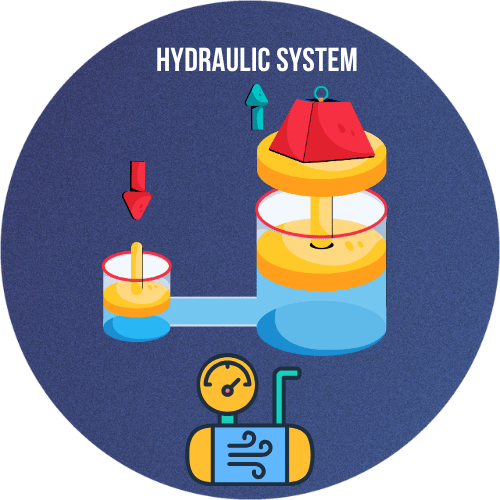 HYDRAULIC SYSTEM
  HYDRAULIC SYMBOLS
  HYDRAULIC STANDARDS
  HYDRAULIC CALCULATORS
  HYDRAULIC TOOLS
  BUYER’S GUIDES

Hydraulic actuators are essential components in countless mechanical systems, playing a pivotal role in translating hydraulic energy into mechanical motion. These devices are widely used in industrial machinery, aerospace systems, construction equipment, and mobile hydraulics, where precise and powerful motion is required. However, with the immense power they generate comes a significant responsibility: ensuring that they operate safely and reliably under various conditions. This is where hydraulic actuator safety standards become not just important—but essential.
Without proper safety standards in place, hydraulic actuators can pose serious risks. Sudden pressure bursts, fluid leaks, or mechanical failures can lead to hazardous working conditions, equipment damage, and even human injury. Accidents caused by hydraulic system failures often stem from overlooked design flaws, inadequate maintenance, or non-compliance with regulatory guidelines. As such, understanding and implementing hydraulic actuator safety standards is a critical aspect of engineering responsibility and operational excellence.
These safety standards are developed and enforced by international organizations such as ISO (International Organization for Standardization), ANSI (American National Standards Institute), NFPA (National Fluid Power Association), and the European Union’s CE directives. They provide comprehensive frameworks to evaluate, manufacture, install, and maintain hydraulic actuators in a way that mitigates risk and promotes efficiency.
In this article, we will explore everything you need to know about hydraulic actuator safety standards—from how actuators work, to specific safety protocols, international regulations, design requirements, and future trends in safety technology. Whether you’re a mechanical engineer, technician, safety inspector, or procurement specialist, understanding these standards is crucial for ensuring compliance, maximizing equipment lifespan, and protecting both people and assets.


