 HYDRAULIC BASICS
  HYDRAULIC COMPONENTS
 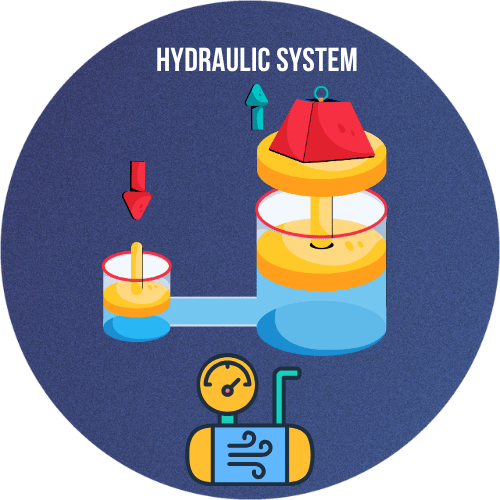 HYDRAULIC SYSTEM
  HYDRAULIC SYMBOLS
  HYDRAULIC STANDARDS
  HYDRAULIC CALCULATORS
  HYDRAULIC TOOLS
  BUYER’S GUIDES
SAE J514 Standard Pdf: Complete Guide to Hydraulic Tube Fittings
Contents
- 1 1. What Is SAE J514 Standard?
- 2 2. Scope and Purpose of SAE J514 Standard
- 3 3. Understanding SAE J514 Hydraulic Tube Fittings
- 3.1 What Are Hydraulic Tube Fittings?
- 3.2 37-Degree Flare Fitting Design
- 3.3 Basic Design Concept
- 3.4 Male and Female Sealing Arrangement
- 3.5 Metal-to-Metal Sealing Principle
- 3.6 Major Components of a SAE J514 Connection
- 3.7 Tube
- 3.8 Nut
- 3.9 Sleeve
- 3.10 Male Fitting Body
- 3.11 Female Fitting Seat
- 3.12 How SAE J514 Fittings Create a Seal
- 4 4. Types of Fittings Covered Under SAE J514
- 5 5. Materials Used in SAE J514 Fittings
- 6 6. SAE J514 Thread Types and Connection Details
- 7 7. Pressure Ratings and Performance Requirements
- 8 8. Installation Requirements for SAE J514 Fittings
- 9 9. Common SAE J514 Installation Problems and Troubleshooting
- 10 Conclusion
Hydraulic systems depend on reliable, leak-tight connections to safely transfer fluid power under pressure. Whether used in construction equipment, industrial machinery, agricultural systems, or aerospace hydraulics, hydraulic connections must withstand demanding operating conditions involving:
- High pressure
- Mechanical vibration
- Temperature variation
- Continuous duty cycles
Even a small fitting failure can lead to:
- Hydraulic fluid leakage
- Pressure loss
- Equipment downtime
- Environmental contamination
- Safety hazards
Because of these challenges, engineering standardization is essential.
One of the most important standards governing hydraulic tube connections is the SAE J514 Standard.
Developed by SAE International, SAE J514 establishes engineering requirements for hydraulic tube fittings, particularly 37-degree flare fittings, commonly known as JIC fittings.
The standard defines critical technical requirements including:
- Fitting dimensions
- Thread specifications
- Connection geometry
- Material considerations
- Performance requirements
- Installation practices
By standardizing hydraulic tube fitting design, SAE J514 helps improve:
- Component interchangeability
- Hydraulic reliability
- Leak prevention
- Maintenance efficiency
- Engineering consistency
Today, SAE J514 fittings are widely used across industries such as:
- Mobile hydraulics
- Industrial fluid power systems
- Oil and gas equipment
- Aerospace systems
- Agricultural machinery
- Heavy construction equipment
This guide explains the SAE J514 Standard, including its scope, fitting types, materials, pressure capabilities, installation requirements, industrial applications, and comparisons with other hydraulic connection standards.
1. What Is SAE J514 Standard?

SAE J514 Standard is an engineering specification developed by SAE International that governs hydraulic tube fittings using 37-degree flare connections.
The standard is widely recognized throughout hydraulic engineering and is commonly associated with JIC (Joint Industry Council) fittings.
SAE J514 provides dimensional, performance, and design requirements for fittings used in hydraulic fluid power systems.
Its primary goal is to create standardized hydraulic tube connections capable of providing:
- Reliable sealing performance
- High-pressure capability
- Component interchangeability
- Safe hydraulic operation
Full Name of SAE J514 Standard
The standard is commonly known as:
SAE J514 — Hydraulic Tube Fittings
It covers hydraulic tube fitting connections used across numerous fluid power applications.
SAE J514 is considered one of the core standards used in North American hydraulic engineering.
Purpose of SAE J514 in Hydraulic Engineering
The main purpose of SAE J514 is to standardize hydraulic tube fitting design.
Without standardized connections, hydraulic systems could face problems such as:
- Dimension mismatch
- Poor sealing performance
- Thread incompatibility
- Increased leakage risk
SAE J514 addresses these concerns by defining common engineering requirements.
The standard supports:
Improved Interchangeability
Components manufactured by different suppliers can be used more consistently when standardized dimensions are followed.
This simplifies:
- Maintenance
- Spare parts sourcing
- Equipment repair
Reduced Hydraulic Leakage
Proper fitting geometry helps improve sealing integrity.
Leak reduction contributes to:
- Better hydraulic performance
- Cleaner operation
- Improved safety
Standardized Installation Practices
Engineers and technicians can follow common installation procedures across multiple hydraulic systems.
This improves consistency in hydraulic assembly work.
Introduction to 37-Degree Flare Fittings (JIC Fittings)
The most recognizable feature of SAE J514 is the 37-degree flare connection design.
These fittings are commonly called JIC fittings.
A typical JIC connection uses:
- A flared tube end
- Male fitting body
- Female fitting seat
- Nut and sleeve assembly
The seal is created using metal-to-metal contact between matching 37° sealing surfaces.
Unlike tapered thread systems, the threads themselves do not create the primary seal.
Instead, the flare interface provides sealing performance.
How SAE J514 Fittings Work
SAE J514 fittings use a relatively simple but highly effective sealing mechanism.
The connection process generally involves:
- Preparing the tube end
- Creating a 37° flare geometry
- Positioning the fitting components
- Tightening the assembly
When tightened correctly:
- The flare surfaces compress together
- Contact pressure forms a leak-tight seal
- The threaded connection provides mechanical clamping force
This design offers strong sealing performance in hydraulic applications.
Why SAE J514 Standard Matters
Hydraulic systems frequently operate under severe conditions.
Equipment may experience:
- Pressure pulsation
- Dynamic loading
- Mechanical vibration
- Temperature cycling
SAE J514 helps address these operating demands through proven hydraulic connection practices.
Benefits of SAE J514 include:
Reliable High-Pressure Performance
The fitting design supports demanding hydraulic service conditions.
Strong Industrial Acceptance
SAE J514 fittings are widely recognized across hydraulic industries.
Proven Hydraulic Reliability
The standard has extensive real-world use across mobile and industrial equipment.
Easier Maintenance and Replacement
Standardized fittings simplify spare part management and servicing activities.
Common Applications of SAE J514 Standard
SAE J514 fittings are used across many hydraulic sectors.
Typical applications include:
Construction Equipment
- Excavators
- Loaders
- Hydraulic attachments
Agricultural Machinery
- Tractors
- Harvesters
- Hydraulic implements
Industrial Systems
- Hydraulic presses
- Power units
- Manufacturing equipment
Oil and Gas Systems
- Hydraulic control panels
- Instrumentation tubing systems
Aerospace Applications
- Aircraft hydraulic tubing assemblies
Understanding what SAE J514 Standard is provides the foundation for selecting hydraulic tube fittings used in high-performance fluid power systems.
2. Scope and Purpose of SAE J514 Standard

The SAE J514 Standard establishes engineering requirements for hydraulic tube fittings used in fluid power systems.
It provides standardized specifications covering fitting design, dimensions, threads, materials, and sealing arrangements to support reliable hydraulic performance.
Because hydraulic systems often operate under demanding conditions involving:
- High pressure
- Mechanical vibration
- Dynamic loading
- Temperature variation
proper connection design becomes essential.
The SAE J514 standard helps engineers create hydraulic systems that are safe, compatible, and dependable.
Scope of SAE J514 Standard
The scope of SAE J514 primarily focuses on 37-degree flare hydraulic tube fittings, commonly known as JIC fittings.
The standard addresses components used for connecting hydraulic tubing to:
- Valves
- Pumps
- Cylinders
- Hydraulic manifolds
- Hydraulic equipment assemblies
SAE J514 establishes requirements related to:
- Fitting geometry
- Thread dimensions
- Flare angles
- Connection interfaces
- Material considerations
These requirements help ensure fittings from different manufacturers can function consistently.
Hydraulic Tube Fittings Covered
The standard includes various fitting configurations commonly used in hydraulic systems.
Typical fitting categories include:
- Straight fittings
- Elbow fittings
- Tee fittings
- Cross fittings
- Adapter fittings
These connection styles support different hydraulic routing requirements.
Tube Sizes and Pressure Applications
SAE J514 fittings are used across a broad range of tube sizes and hydraulic service conditions.
Applications may involve:
- Low-pressure hydraulic systems
- Medium-pressure fluid circuits
- High-pressure hydraulic equipment
Proper fitting selection depends on:
- Tube dimensions
- Pressure rating requirements
- Application conditions
Materials and Manufacturing Considerations
The standard also supports hydraulic engineering by addressing material suitability for fitting applications.
Common materials may include:
- Carbon steel
- Stainless steel
- Specialty alloys
Material selection affects:
- Pressure capability
- Corrosion resistance
- Mechanical strength
Purpose of SAE J514 Standard
The primary purpose of SAE J514 is to create standardized hydraulic tube connections that support safe and efficient hydraulic operation.
Standardization helps reduce engineering uncertainty and improves component compatibility.
Several key objectives drive the development of SAE J514.
Improve Component Interchangeability
Hydraulic systems frequently use components supplied by different manufacturers.
Without standardized connection dimensions, hydraulic systems could face:
- Thread mismatches
- Improper assembly
- Seal incompatibility
SAE J514 improves interchangeability by defining common dimensional requirements.
This benefits:
- Maintenance personnel
- Equipment manufacturers
- Procurement teams
Interchangeability simplifies:
- Spare parts replacement
- Equipment repair
- System upgrades
Reduce Hydraulic Leakage Risk
Hydraulic leakage is one of the most common issues in fluid power systems.
Leaks may cause:
- Pressure loss
- Reduced efficiency
- Environmental contamination
- Safety hazards
SAE J514 helps minimize leakage through standardized 37-degree flare sealing geometry.
The metal-to-metal flare connection is designed to provide strong sealing performance when installed correctly.
Standardize Fitting Dimensions
Hydraulic systems depend heavily on dimensional consistency.
SAE J514 establishes standardized requirements for:
- Thread sizes
- Flare dimensions
- Connection geometry
- Fitting interfaces
Standardization improves manufacturing consistency and engineering reliability.
Improve Hydraulic Safety and Reliability
Hydraulic systems can store large amounts of energy through pressurized fluid.
Connection failures may result in:
- Equipment damage
- Fluid release incidents
- Personnel safety concerns
SAE J514 supports hydraulic reliability through proven fitting design practices.
Reliable fittings help improve:
- Pressure containment
- Seal durability
- Mechanical integrity
Systems Covered by SAE J514
SAE J514 fittings are used throughout many hydraulic sectors.
Common applications include:
Mobile Hydraulic Equipment
Mobile hydraulic machinery frequently uses SAE J514 fittings.
Examples include:
- Excavators
- Tractors
- Mining equipment
- Forestry machines
These applications often involve severe vibration and demanding field conditions.
Industrial Fluid Power Systems
Industrial hydraulic systems also widely use SAE J514 fittings.
Typical applications include:
- Hydraulic presses
- Manufacturing equipment
- Power units
- Automation systems
Standardized fittings simplify industrial maintenance activities.
High-Pressure Hydraulic Circuits
Because JIC fittings provide strong sealing performance, they are commonly used in high-pressure hydraulic applications.
Typical systems include:
- Heavy equipment hydraulics
- Oil and gas hydraulic packages
- Aerospace hydraulic assemblies
Understanding the scope and purpose of SAE J514 provides the foundation for selecting and applying hydraulic tube fittings correctly.
3. Understanding SAE J514 Hydraulic Tube Fittings

To fully understand SAE J514 Standard, it is important to understand how its hydraulic tube fittings function.
SAE J514 primarily focuses on 37-degree flare hydraulic tube fittings, one of the most widely used hydraulic connection systems in fluid power engineering.
These fittings are commonly called JIC fittings.
Their popularity comes from their ability to provide:
- Reliable sealing
- High-pressure capability
- Good vibration resistance
- Strong component interchangeability
What Are Hydraulic Tube Fittings?
Hydraulic tube fittings are mechanical connectors used to join hydraulic tubing with system components.
Their purpose is to create secure fluid pathways between:
- Tubes
- Valves
- Pumps
- Cylinders
- Manifolds
- Hydraulic assemblies
A properly designed fitting must provide:
- Mechanical retention
- Pressure containment
- Leak-tight sealing
Hydraulic fittings play a critical role in system reliability.
Even small connection defects can lead to:
- Leakage
- Pressure reduction
- Equipment malfunction
37-Degree Flare Fitting Design
The defining feature of SAE J514 is its 37-degree flare connection design.
This geometry is commonly associated with JIC hydraulic fittings.
Basic Design Concept
A SAE J514 fitting uses a tube end formed into a 37° flare angle.
The flared tube interfaces with a matching fitting seat.
When assembled and tightened:
- Contact pressure develops between flare surfaces.
- A metal-to-metal seal forms.
- The threaded connection supplies clamping force.
This sealing approach provides strong hydraulic performance.
Male and Female Sealing Arrangement
A typical SAE J514 connection includes:
Male Fitting Body
- Contains a 37° conical seat.
Female Connection Assembly
- Interfaces with the flare surface.
The matching flare angles allow tight surface contact during assembly.
Metal-to-Metal Sealing Principle
Unlike tapered pipe threads, SAE J514 fittings do not depend primarily on thread sealing.
Instead, the seal is produced by:
37° metal-to-metal flare contact
The threads mainly provide:
- Mechanical engagement
- Compression force generation
This design helps improve sealing repeatability.
Major Components of a SAE J514 Connection
A complete SAE J514 fitting assembly typically includes several key components.
Tube
The hydraulic tube serves as the fluid transport pathway.
The tube end is mechanically flared to create the sealing interface.
Nut
The fitting nut provides mechanical tightening force.
During assembly, the nut pulls the flare surfaces together.
Sleeve
The sleeve helps support the tubing connection and distribute mechanical loads.
Proper sleeve positioning contributes to connection stability.
Male Fitting Body
The male fitting body contains:
- Threaded section
- 37° sealing seat
This component forms part of the hydraulic sealing interface.
Female Fitting Seat
The mating connection provides the matching flare surface needed for sealing.
How SAE J514 Fittings Create a Seal
The sealing mechanism used by SAE J514 is relatively simple but highly effective.
Flare Compression Principle
As the fitting nut is tightened:
- The flare surfaces move into contact.
- Compression develops at the sealing interface.
- Mechanical loading creates sealing pressure.
This process forms a leak-resistant hydraulic connection.
Contact Surface Sealing Mechanism
Sealing performance depends on:
- Proper flare angle accuracy
- Surface condition
- Correct assembly torque
Clean, properly formed flare surfaces are essential.
Surface damage can increase leakage risk.
Leak Prevention Characteristics
When installed correctly, SAE J514 fittings provide:
- Strong pressure containment
- Good vibration resistance
- Reliable hydraulic sealing
These characteristics explain why JIC fittings remain widely accepted across hydraulic industries.
Understanding how SAE J514 hydraulic tube fittings function helps engineers properly design, specify, and maintain hydraulic connection systems.
4. Types of Fittings Covered Under SAE J514
The SAE J514 Standard includes several hydraulic fitting configurations designed to support different tubing layouts and hydraulic system requirements.
Hydraulic systems rarely use only straight-line connections. Equipment often requires:
- Direction changes
- Branch connections
- Space optimization
- Multi-line routing
To support these needs, SAE J514 covers multiple fitting designs.
Understanding these fitting types helps engineers choose the correct hydraulic connection for specific applications.
Straight Hydraulic Fittings
Straight fittings are among the most common fitting styles covered under SAE J514.
These fittings connect tubing in a direct linear arrangement without changing flow direction.
Characteristics of Straight Fittings
Typical features include:
- Inline tube routing
- Simple geometry
- Compact design
Straight fittings are commonly selected when tubing can follow a direct path.
Advantages
Benefits of straight hydraulic fittings include:
- Lower flow restriction
- Simple installation
- Reduced pressure drop
- Fewer directional changes
These advantages make them widely used in hydraulic systems.
Typical Applications
Straight SAE J514 fittings commonly appear in:
- Hydraulic manifolds
- Pump connections
- Valve assemblies
- Instrument tubing systems
Elbow Fittings
Hydraulic systems frequently require changes in tubing direction.
Elbow fittings allow engineers to reroute hydraulic lines while maintaining reliable connections.
Common elbow styles include:
- 45-degree elbows
- 90-degree elbows
45-Degree Elbow Fittings
45° elbows create moderate directional changes.
They are often used when tubing requires smoother routing transitions.
Typical benefits include:
- Improved installation flexibility
- Reduced routing complexity
90-Degree Elbow Fittings
90° elbows provide sharper directional changes.
These fittings are useful where space limitations restrict tubing layout.
Common applications include:
- Compact hydraulic equipment
- Crowded machinery assemblies
- Tight routing areas
Directional Flow Routing
Elbow fittings help engineers:
- Avoid mechanical interference
- Improve equipment packaging
- Simplify tubing layouts
Proper routing can reduce tubing stress and improve system reliability.
Tee Fittings
Tee fittings are designed to create branch connections within hydraulic systems.
They allow one hydraulic line to divide into multiple paths.
A typical tee fitting provides:
- One inlet
- Two outlets
or
- Two inlets
- One outlet
depending on system design.
Applications of Tee Fittings
SAE J514 tee fittings commonly appear in:
- Hydraulic branching circuits
- Instrument distribution systems
- Multi-line hydraulic assemblies
Advantages of Tee Connections
Benefits include:
- Efficient fluid routing
- Simplified circuit design
- Reduced component count
Proper tee selection helps maintain system organization.
Cross Fittings
Cross fittings support more complex hydraulic routing requirements.
These fittings allow fluid connections in four directions.
Typical configurations provide:
- Four connection ports
- Multi-direction tubing integration
Common Uses
Cross fittings may be used in:
- Distribution manifolds
- Hydraulic control assemblies
- Instrumentation systems
Design Considerations
Because cross fittings involve multiple flow paths, engineers must consider:
- Space constraints
- Pressure performance
- Maintenance accessibility
Correct fitting selection helps improve hydraulic system organization.
Adapter Fittings
Hydraulic systems often involve components with different connection styles.
Adapter fittings help bridge compatibility differences between hydraulic components.
Adapters are widely used in mixed-system hydraulic installations.
Functions of Adapter Fittings
Hydraulic adapters may provide:
- Thread conversion
- Size reduction or expansion
- Connection compatibility
Common Adapter Applications
Typical uses include:
- JIC-to-NPT conversion
- JIC-to-BSP conversion
- Port size transitions
Benefits of Adapter Fittings
Adapters improve:
- Installation flexibility
- Retrofit capability
- System integration
However, excessive adapter use may increase potential leak points.
Understanding the fitting types covered under SAE J514 helps engineers select appropriate connection configurations for hydraulic tubing systems.
5. Materials Used in SAE J514 Fittings
Material selection plays a major role in the performance of SAE J514 hydraulic fittings.
Hydraulic fittings must withstand demanding operating conditions involving:
- Pressure loading
- Mechanical vibration
- Temperature exposure
- Corrosive environments
Selecting the correct material directly affects:
- Strength
- Corrosion resistance
- Seal reliability
- Service life
Several material categories are commonly used in SAE J514 fittings.
Carbon Steel Fittings
Carbon steel is one of the most widely used materials for SAE J514 hydraulic fittings.
Its popularity comes from its strong mechanical performance and economic cost.
Properties of Carbon Steel Fittings
Carbon steel fittings typically offer:
- High strength
- Good pressure capability
- Good machinability
These characteristics make carbon steel suitable for many hydraulic applications.
Typical Applications
Carbon steel J514 fittings are commonly used in:
- Construction machinery
- Agricultural equipment
- Industrial hydraulics
- Mobile hydraulic systems
Limitations
Although carbon steel performs well mechanically, corrosion protection may be necessary in harsh environments.
Protective measures may include:
- Zinc plating
- Surface coatings
- Environmental control
Stainless Steel Fittings
Stainless steel fittings are commonly selected for demanding environments requiring improved corrosion resistance.
Advantages of Stainless Steel
Benefits include:
- Excellent corrosion resistance
- Chemical compatibility
- Strong temperature resistance
These properties make stainless steel attractive for severe service conditions.
Typical Applications
Common industries using stainless steel SAE J514 fittings include:
- Offshore oil and gas
- Chemical processing
- Food and pharmaceutical systems
- Marine environments
Corrosion Performance
Stainless steel performs well in environments involving:
- Moisture exposure
- Chemicals
- Salt contamination
This helps improve long-term hydraulic reliability.
Brass and Specialty Alloy Fittings
Some hydraulic applications may use brass or specialty alloy fittings.
These materials are generally selected for specialized operating conditions.
Brass Fittings
Brass fittings may offer:
- Good corrosion resistance
- Good machinability
- Moderate pressure capability
Applications may include:
- Instrumentation systems
- Low-pressure hydraulic service
Specialty Alloy Materials
Specialty alloys may be chosen for:
- Extreme temperatures
- Aggressive chemical exposure
- Specialized industrial processes
Material selection depends on application requirements.
Material Selection Factors
Several engineering factors influence material selection for SAE J514 fittings.
Pressure Requirements
Higher pressure systems often require materials with strong mechanical properties.
Pressure capability depends on:
- Material strength
- Fitting design
- Manufacturing quality
Corrosion Environment
Environmental exposure strongly affects material choice.
Engineers may evaluate:
- Moisture exposure
- Salt environments
- Chemical exposure
Temperature Conditions
Temperature can influence:
- Material strength
- Seal performance
- Corrosion behavior
Proper material selection supports safe operation.
Fluid Compatibility
Hydraulic fluid chemistry must also be considered.
Material compatibility helps prevent:
- Corrosion damage
- Material degradation
- Seal failure
Understanding fitting materials helps engineers optimize hydraulic performance, reliability, and lifecycle cost.
6. SAE J514 Thread Types and Connection Details
Threads are an important part of SAE J514 hydraulic fittings.
However, one of the most important concepts in SAE J514 is understanding the difference between:
Thread engagement and sealing performance.
In SAE J514 systems, threads primarily provide mechanical clamping force, while the actual hydraulic seal is formed by the 37° flare interface.
Thread Forms Used with SAE J514
SAE J514 commonly uses UN/UNF thread systems.
These thread forms are widely used throughout North American hydraulic engineering.
UN Thread System Overview
UN threads refer to:
Unified National Threads
Common categories include:
- UNC (Unified National Coarse)
- UNF (Unified National Fine)
Hydraulic fittings frequently use UNF threads because they provide:
- Strong mechanical engagement
- Precise assembly control
Thread Identification
Proper thread identification is important during installation.
Engineers often verify:
- Thread diameter
- Thread pitch
- Connection type
Incorrect identification can cause installation problems.
JIC Thread Characteristics
JIC fittings associated with SAE J514 use threaded mechanical engagement combined with flare sealing.
Important thread characteristics include:
- Straight thread geometry
- Mechanical retention function
- Non-primary sealing role
Role of Threads in SAE J514
The threads primarily:
- Pull mating surfaces together
- Generate compression force
- Maintain mechanical connection stability
They are not intended to provide the primary hydraulic seal.
Thread vs Seal: Understanding the Difference
Many hydraulic connection systems rely on threads for sealing.
SAE J514 uses a different approach.
Primary Seal Mechanism
In SAE J514 fittings, sealing occurs at the:
37° flare metal-to-metal interface
The flare surfaces create hydraulic containment.
Role of Thread Engagement
Threads provide:
- Assembly tightening
- Compression generation
- Mechanical support
Understanding this distinction helps improve installation quality.
Thread Compatibility Considerations
Hydraulic engineers frequently encounter multiple thread systems.
Understanding compatibility is important.
JIC vs NPT
NPT fittings use tapered thread sealing.
Differences include:
| Feature | JIC | NPT |
|---|---|---|
| Seal Type | 37° flare | Thread sealing |
| Thread Style | Straight thread | Tapered thread |
| Leak Control | Flare surface | Thread interference |
JIC vs BSP
BSP systems use different thread geometry compared with SAE J514.
Differences may include:
- Thread angle
- Thread pitch
- Sealing design
Direct interchangeability is generally not recommended.
JIC vs ORFS
ORFS fittings use:
- Flat-face sealing
- Elastomer O-ring interface
Compared with JIC fittings, ORFS systems often provide improved leak resistance in severe vibration environments.
Understanding SAE J514 thread systems and connection details helps engineers improve installation reliability and hydraulic compatibility.
7. Pressure Ratings and Performance Requirements
Hydraulic tube fittings designed according to SAE J514 Standard must safely withstand demanding operating conditions found in fluid power systems.
Hydraulic systems commonly operate under:
- High pressure
- Pressure cycling
- Mechanical vibration
- Dynamic loading
Because connection failures can cause serious operational problems, SAE J514 fittings are expected to deliver reliable performance under these conditions.
Performance capability depends on several engineering factors including:
- Fitting size
- Material selection
- Tube dimensions
- Installation quality
- Operating environment
Understanding pressure and performance requirements is essential for proper fitting selection.
Pressure Capability of SAE J514 Fittings
The pressure capability of a SAE J514 fitting refers to its ability to safely contain hydraulic fluid under operating conditions.
Pressure performance is influenced by multiple variables.
Tube Size Influence
Tube size directly affects fitting pressure capability.
Important dimensional factors include:
- Tube outside diameter
- Wall thickness
- Connection geometry
As tube dimensions change, fitting performance characteristics may also change.
Larger tube sizes may require careful engineering review for high-pressure applications.
Material Strength Influence
Material selection plays a major role in pressure performance.
Different materials offer different levels of:
- Tensile strength
- Yield strength
- Fatigue resistance
Examples include:
- Carbon steel fittings for general hydraulic service
- Stainless steel fittings for corrosive environments
- Specialty alloys for demanding applications
Selecting an appropriate material helps maintain safe pressure containment.
Hydraulic Performance Requirements
SAE J514 fittings must provide reliable hydraulic performance throughout their service life.
Key performance expectations include:
Leak Resistance
One of the primary requirements is effective leakage control.
The 37° flare connection design helps create:
- Strong metal-to-metal sealing
- Reliable pressure containment
- Repeatable assembly performance
Leak resistance is critical for maintaining hydraulic efficiency.
Fatigue Resistance
Hydraulic systems frequently experience pressure fluctuations and mechanical vibration.
Repeated loading can create:
- Cyclic stress
- Component fatigue
- Seal degradation
Good fatigue resistance helps improve long-term reliability.
Mechanical Durability
Fittings must withstand mechanical stresses associated with:
- Assembly loads
- Hydraulic pressure
- Equipment movement
- Environmental conditions
Durable fittings support extended service life.
Burst Pressure Requirements
Burst pressure capability is an important hydraulic safety consideration.
Burst pressure refers to the pressure level at which fitting failure occurs.
Hydraulic components typically require a sufficient safety margin between:
- Normal working pressure
- Failure pressure capability
Adequate safety margin helps reduce the risk of catastrophic hydraulic failures.
Safety Margin Considerations
Engineering safety margins are important because hydraulic systems can experience:
- Pressure spikes
- Dynamic transients
- Unexpected operating conditions
Proper fitting selection helps maintain operational safety.
Vibration Resistance
Many hydraulic applications operate in environments involving continuous vibration.
Examples include:
- Construction equipment
- Mining machinery
- Agricultural systems
- Mobile hydraulic equipment
Vibration may affect:
- Thread engagement
- Seal stability
- Connection integrity
SAE J514 fittings are widely used because properly assembled flare connections can provide strong performance under vibration conditions.
Environmental Performance Considerations
Hydraulic fittings may be exposed to demanding environments involving:
- Temperature changes
- Moisture exposure
- Chemical contamination
- Outdoor service
Environmental conditions can influence:
- Corrosion behavior
- Seal reliability
- Material performance
Proper material selection and installation practices help improve environmental durability.
Understanding pressure ratings and performance requirements helps engineers specify SAE J514 fittings that support safe hydraulic operation.
8. Installation Requirements for SAE J514 Fittings
Proper installation is critical for achieving reliable performance from SAE J514 hydraulic fittings.
Even high-quality fittings can fail if installation practices are incorrect.
Successful assembly depends on:
- Correct tube preparation
- Accurate flare formation
- Proper tightening procedures
- Careful inspection
Following recommended installation practices helps reduce leakage risk and improve hydraulic reliability.
Tube Preparation Requirements
Hydraulic tubing must be prepared correctly before fitting assembly.
Proper preparation helps ensure accurate sealing geometry.
Typical preparation steps include:
Tube Cutting
The tube should be cut squarely to produce a clean end.
Poor cutting practices can result in:
- Uneven flare formation
- Misalignment
- Seal problems
Deburring
After cutting, tube ends should be deburred.
Deburring removes sharp edges and internal burrs that could interfere with:
- Flare quality
- Hydraulic cleanliness
Cleaning
Tube cleanliness is important for hydraulic reliability.
Preparation should remove:
- Dirt
- Metal chips
- Oil contamination
- Debris
Clean tubing helps protect hydraulic components.
Proper Tube Flaring Procedure
A defining requirement of SAE J514 is the 37-degree flare connection.
Correct flare formation is essential.
Creating a 37° Flare
The tube end must be mechanically formed into the proper flare angle.
Key considerations include:
- Correct flare tooling
- Proper flare geometry
- Surface quality control
Poor flare formation may lead to:
- Leakage
- Cracking
- Connection failure
Common Tooling Requirements
Proper installation typically requires specialized flare tools.
Tool selection may influence:
- Dimensional accuracy
- Surface finish quality
- Repeatability
Using correct tooling improves installation consistency.
Assembly Process
The fitting assembly process must be performed carefully.
Typical assembly steps include:
- Positioning the nut on the tube
- Installing the sleeve
- Preparing the flare surface
- Aligning the connection
- Tightening the fitting
Correct assembly sequencing helps improve sealing performance.
Nut Positioning
The nut provides the mechanical clamping force needed for sealing.
Proper positioning is important for reliable assembly.
Sleeve Placement
The sleeve helps support the tubing connection and distribute loading.
Incorrect sleeve placement can compromise performance.
Torque Requirements
Proper tightening is critical for SAE J514 fittings.
Both under-tightening and over-tightening can cause problems.
Avoiding Under-Tightening
Insufficient tightening may result in:
- Seal leakage
- Mechanical looseness
- Pressure containment failure
Avoiding Over-Tightening
Excessive tightening can cause:
- Thread damage
- Flare deformation
- Tube cracking
Following manufacturer guidance helps improve installation reliability.
Inspection After Installation
After assembly, hydraulic connections should be inspected.
Inspection activities commonly include:
Visual Inspection
Check for:
- Proper alignment
- Surface damage
- Correct component assembly
Leak Checking Procedures
Leak testing may be performed during system commissioning.
Leak checks help verify:
- Seal integrity
- Connection performance
- Assembly quality
Proper inspection supports safe hydraulic operation.
Understanding installation requirements helps technicians and engineers maximize the reliability of SAE J514 hydraulic fittings.
9. Common SAE J514 Installation Problems and Troubleshooting
Even well-designed hydraulic fittings can experience problems if installation practices are incorrect.
Understanding common issues helps technicians diagnose failures and improve system reliability.
Several installation problems frequently appear in hydraulic systems using SAE J514 fittings.
Leakage Issues
Hydraulic leakage is among the most common fitting problems.
Typical causes include:
Improper Flare Formation
Poor flare geometry may cause:
- Uneven sealing contact
- Surface gaps
- Pressure leakage
Common flare problems include:
- Incorrect angle formation
- Cracked flare surfaces
- Rough sealing finishes
Damaged Sealing Surfaces
The 37° flare interface must remain clean and undamaged.
Damage such as:
- Scratches
- Dents
- Contamination
can compromise sealing performance.
Over-Tightening Problems
Excessive tightening is a common installation mistake.
Over-tightening may create several issues.
Thread Damage
Excessive assembly force can damage:
- Thread surfaces
- Mechanical engagement quality
Damaged threads reduce connection reliability.
Tube Cracking
High tightening loads may overstress the flare region.
This can result in:
- Tube cracking
- Connection weakening
- Seal failure
Proper tightening practices are important.
Under-Tightening Problems
Insufficient tightening can also create problems.
Common consequences include:
Seal Failure
Without adequate clamping force, flare surfaces may not seal properly.
This can result in:
- Hydraulic leakage
- Pressure loss
Mechanical Looseness
Loose fittings may experience:
- Vibration movement
- Reduced connection stability
Correct tightening helps prevent these problems.
Thread Compatibility Errors
Hydraulic technicians sometimes encounter incompatible connection systems.
Examples include:
- JIC vs NPT mismatch
- JIC vs BSP mismatch
- Incorrect thread identification
Compatibility errors can lead to:
- Leakage
- Assembly damage
- Unsafe installations
Proper thread verification is essential.
Troubleshooting Checklist
When troubleshooting SAE J514 fitting problems, technicians commonly review several areas.
Inspection Steps
Check for:
- Correct fitting type
- Proper flare geometry
- Surface damage
- Thread condition
- Correct assembly orientation
Corrective Actions
Corrective measures may include:
- Re-flaring damaged tubing
- Replacing damaged fittings
- Verifying thread compatibility
- Reassembling with proper torque
A structured troubleshooting process helps improve hydraulic system reliability.
Understanding common installation problems and troubleshooting practices helps reduce downtime and improve long-term performance of SAE J514 hydraulic systems.
Conclusion
The SAE J514 Standard is one of the most important standards governing 37° flare hydraulic tube fittings (JIC fittings) used in hydraulic fluid power systems.
The standard establishes engineering requirements covering:
- Hydraulic fitting geometry
- Thread systems
- Materials
- Pressure capability
- Installation practices
- Performance expectations
SAE J514 fittings are widely used throughout industries including:
- Construction equipment
- Agriculture
- Oil and gas
- Aerospace
- Industrial manufacturing
Understanding SAE J514 helps engineers, technicians, and equipment designers:
- Select appropriate hydraulic fittings
- Improve sealing reliability
- Reduce leakage risk
- Support safe hydraulic operation
- Simplify maintenance and replacement
As hydraulic technology continues to evolve, SAE J514 remains a critical standard for reliable hydraulic connection engineering.
SAE J517 Standard Pdf : Complete Guide to Hydraulic Hose Types, Pressure Ratings & Applications
ISO 4413 Standard Pdf: Hydraulic Safety Requirements, Design Rules & Compliance Guide
ISO 4413 Standard Pdf: Hydraulic Safety Requirements, Design Rules & Compliance Guide

Contents1 1. What Is SAE J1453 Standard?1.1 Full Name of SAE J1453 Standard1.2 Purpose of SAE J1453 in Hydraulic Systems1.3 Introduction to O-Ring Face Seal (ORFS) Fittings1.4 How SAE J1453 Differs from Traditional Flare Fittings1.5 SAE J1453 ORFS Design1.6 Traditional Flare Fitting Design1.7 Why SAE J1453 Is Popular in Hydraulic Engineering1.8 Excellent Leak Prevention1.9 Strong […]