
WELCOME TO HYDRAULIC INSIGHT !!!

What is an Electric Hydraulic Pump?

Contents

I. Introduction

Hydraulic power has long been the backbone of countless industries, from construction and manufacturing to aerospace and automotive engineering. Among the many innovations that have shaped modern hydraulic systems, the electric hydraulic pump stands out as one of the most versatile and efficient solutions. By combining the reliability of hydraulic pressure with the precision and convenience of electric drive technology, electric hydraulic pumps have become indispensable in both industrial and portable applications.

At its core, an electric hydraulic pump is a device that converts electrical energy into hydraulic energy, providing consistent flow and pressure to drive actuators, cylinders, and other machinery. Unlike manual or combustion-driven pumps, these systems deliver cleaner, quieter, and more energy-efficient performance. Whether used in factory automation, medical equipment, automotive repair shops, or offshore platforms, the electric hydraulic pump enables operators to achieve high power density with minimal effort.

The growing shift toward automation, sustainability, and energy efficiency has made the electric hydraulic pump a preferred choice for engineers and technicians worldwide. From compact portable units designed for maintenance crews to large-scale pumps powering industrial presses, the technology continues to evolve, integrating with sensors, IoT systems, and energy-saving innovations.

This article provides a comprehensive exploration of the electric hydraulic pump, covering its fundamentals, types, working principles, applications, advantages, limitations, selection criteria, maintenance tips, future trends, and buying considerations. By the end, you will have a clear understanding of why the electric hydraulic pump is not only essential today but also a driving force for the hydraulic solutions of tomorrow.


2. Fundamentals of Hydraulic Power

Before diving deep into the design and function of an electric hydraulic pump, it’s essential to understand the fundamentals of hydraulic power. Hydraulics is based on the science of fluid mechanics, where liquid—usually oil—acts as a medium for transmitting force and motion. This principle has been used for centuries, but today’s technology allows hydraulic systems to deliver precise, powerful, and efficient operations across industries.

2.1 The Core Principle: Pascal’s Law

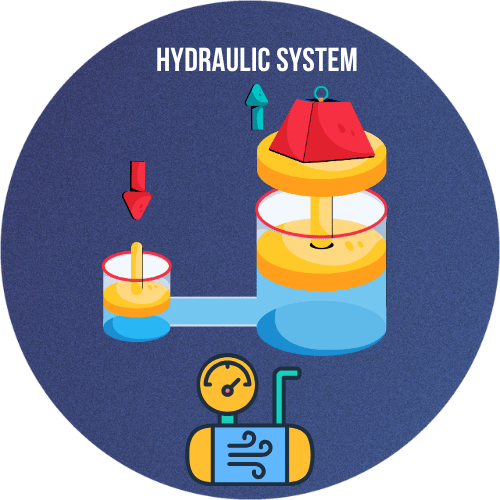
The foundation of hydraulics lies in Pascal’s Law, which states that pressure applied to a confined fluid is transmitted equally in all directions. This simple yet powerful principle enables hydraulic pumps to generate immense force from relatively small input power. In practice, an electric hydraulic pump uses this principle to move hydraulic fluid under pressure, driving actuators, cylinders, and motors.

2.2 Key Parameters of Hydraulic Power

Hydraulic systems operate based on three fundamental parameters:

  • Pressure (P): The force per unit area, typically measured in bar or psi. Higher pressure means more force delivered to the actuator.

  • Flow (Q): The volume of fluid moved per unit time, measured in liters per minute (L/min) or gallons per minute (GPM). Flow determines the speed of the actuator.

  • Power (HP or kW): The product of pressure and flow, representing the total energy output of the hydraulic system.

An electric hydraulic pump must be carefully designed to balance these parameters, ensuring reliable performance without energy waste.

2.3 Role of Electric Motors in Hydraulics

Traditionally, hydraulic pumps were powered by internal combustion engines or manually operated levers. However, with the advent of electric drive technology, electric hydraulic pumps became a preferred solution. Electric motors provide several advantages:

  • Consistent speed and torque output

  • High energy efficiency compared to fuel-driven pumps

  • Compatibility with automation and control systems

  • Low noise and reduced emissions

This synergy between electric power and hydraulics has opened doors for new applications in factories, laboratories, offshore systems, and even medical devices.

2.4 Advantages of Hydraulic Power in General

Hydraulic systems, powered by pumps, offer unique benefits that make them superior to purely mechanical or pneumatic systems in many cases:

  • High power-to-weight ratio: Small-sized systems can deliver massive force.

  • Smooth and precise control: Adjustable flow and pressure provide accuracy.

  • Durability: Hydraulic pumps and components are designed to withstand demanding environments.

  • Flexibility: One electric hydraulic pump can operate multiple actuators simultaneously.

2.5 Importance of Hydraulic Power in Modern Industry

Hydraulics play a critical role in nearly every sector—construction cranes, injection molding machines, automotive lifts, and offshore drilling rigs all rely on pumps to function. In this context, the electric hydraulic pump emerges as a modern alternative that aligns with current industry demands for efficiency, automation, and eco-friendly operation.


3. What is an Electric Hydraulic Pump?

An electric hydraulic pump is a specialized device that converts electrical energy into hydraulic energy, enabling machinery and systems to operate with high force and precision. Unlike manual pumps, which require human effort, or combustion-driven pumps, which depend on fuel engines, the electric hydraulic pump relies on an electric motor to generate pressure and flow. This makes it highly efficient, compact, and suitable for both portable and large-scale applications.

3.1 Definition and Concept

At its simplest, an electric hydraulic pump consists of:

  • An electric motor (AC or DC) that serves as the power source.

  • A hydraulic pump unit (gear, vane, or piston type) that pressurizes the hydraulic fluid.

  • A reservoir to store the hydraulic oil.

  • Valves, hoses, and connectors that guide the fluid to actuators or cylinders.

When electricity powers the motor, it drives the pump, which moves hydraulic fluid under pressure. This pressurized fluid is then delivered to actuators, enabling operations such as lifting, pressing, clamping, or rotating.

3.2 Core Differences from Other Pump Types

  • Manual Hydraulic Pumps: Require human effort; suitable only for small tasks, unlike electric hydraulic pumps that provide automated, continuous operation.

  • Engine-Driven Hydraulic Pumps: Use combustion engines (diesel or gasoline); powerful but noisy, less efficient, and less eco-friendly. In contrast, the electric hydraulic pump produces cleaner and quieter performance.

  • Pneumatic Pumps: Use compressed air instead of hydraulic oil; faster but less powerful compared to hydraulic systems, making electric hydraulic pumps better for high-force applications.

3.3 Main Components of an Electric Hydraulic Pump

  • Electric Motor: The heart of the system, responsible for converting electrical power into mechanical torque.

  • Pump Mechanism: Converts mechanical torque into hydraulic pressure.

  • Hydraulic Reservoir: Stores and cools hydraulic fluid.

  • Filtration System: Prevents contamination that could damage precision components.

  • Control Unit: May include switches, pressure sensors, or programmable logic controllers (PLC) for advanced automation.

3.4 Typical Performance Ranges

The performance of an electric hydraulic pump can vary depending on design and application:

  • Pressure Range: From 700 bar (10,000 psi) in portable pumps to over 3,000 bar in specialized units.

  • Flow Rate: Small pumps may deliver 0.5–2 L/min, while industrial pumps can exceed 100 L/min.

  • Power Requirement: Compact DC models may operate at 12–24 volts, while heavy-duty AC pumps can run on 230V or 460V power supplies.

3.5 Why Use Electric Hydraulic Pumps Today?

The rise of electric hydraulic pumps is closely tied to industry needs for:

  • Automation: Integration with sensors and controls for precise operation.

  • Portability: Lightweight designs that maintenance crews can carry on-site.

  • Energy Efficiency: Reduced energy waste compared to fuel-driven pumps.

  • Environmental Compliance: Cleaner operation with no direct emissions.

In short, the electric hydraulic pump is more than just a pump—it’s a modernized power source that bridges the gap between traditional hydraulic force and advanced electrical control.


4. Main Components of Electric Hydraulic Pump Systems

An electric hydraulic pump is not a single piece of equipment but rather a system made up of interconnected components. Each part plays a critical role in converting electrical energy into hydraulic power, ensuring the pump operates efficiently, safely, and reliably. Below are the key components and their functions.

Main Components of Electric Hydraulic Pump Systems


4.1 Electric Motor

The electric motor is the heart of an electric hydraulic pump. It transforms electrical power into mechanical torque that drives the pump unit.

  • Types of Motors Used:

    • AC Motors: Common in industrial applications; available in single-phase or three-phase designs.

    • DC Motors: Popular in portable and automotive applications where batteries are the power source.

    • Brushless Motors: Offer longer lifespan and better efficiency due to minimal wear.

  • Key Features: High torque output, consistent speed, low noise, and compatibility with modern control systems.


4.2 Pump Unit

The pump unit is responsible for pressurizing the hydraulic fluid and delivering it to the system. Several designs are used depending on the application:

  • Gear Pump: Simple, durable, and cost-effective; widely used in general applications.

  • Vane Pump: Quieter operation and smoother flow; suitable for medium-pressure systems.

  • Piston Pump: High-pressure capability, ideal for heavy-duty tasks like presses or offshore equipment.
    The choice of pump design significantly impacts the efficiency, flow stability, and pressure output of the electric hydraulic pump.


4.3 Hydraulic Reservoir

The reservoir stores hydraulic fluid and provides cooling and deaeration. It is more than just a storage tank; it also ensures smooth circulation of oil.

  • Functions of the Reservoir:

    • Stores enough fluid for operation.

    • Helps dissipate heat generated during pumping.

    • Allows entrained air bubbles to escape.

    • Provides space for contaminants to settle before filtration.


4.4 Filtration and Cooling System

Clean hydraulic oil is critical to extending the life of an electric hydraulic pump.

  • Filters: Capture dirt, dust, and wear particles to prevent damage.

  • Breathers: Keep out airborne contaminants.

  • Cooling Mechanisms: Some systems include heat exchangers or fans to prevent overheating during continuous operation.


4.5 Valves and Hoses

Valves and hoses control the direction, flow, and safety of hydraulic fluid.

  • Directional Control Valves: Guide fluid to different actuators or cylinders.

  • Pressure Relief Valves: Protect the system from overpressure.

  • Check Valves: Ensure one-way flow and prevent backflow.

  • High-Pressure Hoses: Carry hydraulic oil under extreme pressure without leaks.


4.6 Control Units and Sensors

Modern electric hydraulic pumps often integrate electronic controls for precision and safety.

  • Manual Switches or Pedals: Simple start/stop control.

  • Pressure Switches and Sensors: Automatically maintain desired pressure.

  • Programmable Logic Controllers (PLC): Allow advanced automation and integration with industrial systems.

  • IoT Connectivity: Enables remote monitoring, predictive maintenance, and data analysis.


4.7 Safety Features

Since hydraulic systems operate under high pressure, safety is built into the design.

  • Emergency stop switches

  • Overload protection for motors

  • Grounding systems to prevent electrical hazards

  • Safety shields and pressure release valves

Together, these components ensure that the electric hydraulic pump operates reliably, efficiently, and safely. The motor supplies power, the pump generates pressure, the reservoir and filters maintain fluid quality, valves and hoses guide flow, and control units ensure precision. When combined, these elements create a powerful system capable of serving diverse industrial and portable applications.


5. Types of Electric Hydraulic Pumps

Types of Electric Hydraulic Pumps

The versatility of the electric hydraulic pump comes from its many designs and configurations. Depending on how the pump mechanism is built and what applications it serves, electric hydraulic pumps can be grouped into several categories. Understanding these types helps engineers, technicians, and buyers select the right pump for their specific requirements.


5.1 Classification by Pump Design

5.1.1 Gear Electric Hydraulic Pump

  • How It Works: Uses intermeshing gears to move hydraulic fluid.

  • Advantages: Simple construction, durable, cost-effective, and easy to maintain.

  • Limitations: Generates pulsating flow, less efficient at high pressures.

  • Applications: General industry, mobile equipment, and low-to-medium pressure tasks.

5.1.2 Vane Electric Hydraulic Pump

  • How It Works: Uses vanes mounted in a rotor that slide against a cam ring to move fluid.

  • Advantages: Quieter operation, smoother flow, and moderate efficiency.

  • Limitations: Sensitive to contamination, not ideal for very high pressures.

  • Applications: Machine tools, automotive lifts, and industrial automation.

5.1.3 Piston Electric Hydraulic Pump

  • How It Works: Employs reciprocating pistons to pressurize hydraulic fluid.

  • Advantages: High efficiency, capable of very high pressures, compact for the power delivered.

  • Limitations: Expensive, requires precise maintenance.

  • Applications: Aerospace, offshore platforms, presses, and heavy-duty construction machinery.


5.2 Classification by Application

5.2.1 Portable Electric Hydraulic Pump

  • Design: Lightweight, often battery-powered or compact AC/DC powered.

  • Advantages: Easy to transport, suitable for maintenance and field service.

  • Applications: Rescue equipment, automotive workshops, pipeline maintenance.

5.2.2 Industrial Stationary Electric Hydraulic Pump

  • Design: Larger units designed for fixed installation in factories or plants.

  • Advantages: Continuous operation, higher flow rates, integration with automation systems.

  • Applications: Manufacturing presses, plastic injection molding, assembly lines.

5.2.3 High-Pressure Electric Hydraulic Pump

  • Design: Engineered for extreme pressures above 700 bar (10,000 psi).

  • Advantages: Delivers powerful force in compact form.

  • Applications: Bolt tensioning, lifting heavy equipment, aerospace test benches.


5.3 Specialized Types

  • Battery-Powered Pumps: Increasingly popular in mobile and emergency operations.

  • Submersible Electric Hydraulic Pumps: Designed for underwater or marine environments.

  • Dual-Stage Pumps: Offer high flow at low pressure and switch to high pressure at low flow for efficiency.

From simple gear pumps to advanced piston designs, and from compact portable units to massive stationary systems, the electric hydraulic pump can be tailored to nearly any application. The right choice depends on balancing pressure, flow, portability, and cost against the operational requirements.


6. Working Principle of Electric Hydraulic Pump

The electric hydraulic pump operates by converting electrical energy into hydraulic energy through a combination of mechanical and fluid power principles. While designs may differ depending on whether the pump is gear, vane, or piston type, the core working process remains the same.


6.1 Step-by-Step Operation

  1. Power Input (Electricity Supply):

    • The system begins when an electrical source (AC mains, DC battery, or generator) delivers power to the motor.

    • The electric motor transforms this electrical energy into mechanical torque.

  2. Mechanical Drive to Pump Unit:

    • The motor shaft is connected to the pump mechanism.

    • As the shaft rotates, it drives gears, vanes, or pistons inside the pump housing.

  3. Hydraulic Fluid Intake:

    • Hydraulic oil is drawn from the reservoir through a suction line.

    • Filters ensure the oil is free from contamination.

  4. Pressurization:

    • The pump compresses the fluid, raising its pressure.

    • Depending on the pump design:

      • Gear pump: Fluid is trapped between gear teeth and casing.

      • Vane pump: Fluid is swept by sliding vanes inside a cam ring.

      • Piston pump: Reciprocating pistons pressurize the fluid.

  5. Fluid Delivery to System:

    • The pressurized fluid exits the pump and flows into hydraulic hoses and valves.

    • Directional control valves guide it to actuators (cylinders or motors).

  6. Force and Motion Generation:

    • The actuator converts the fluid pressure into mechanical work, producing linear or rotary motion.

    • This is the stage where hydraulic energy performs useful work—lifting loads, pressing materials, or moving machinery.

  7. Return Cycle:

    • Fluid from the actuator returns to the reservoir through a return line.

    • The cycle repeats, enabling continuous operation.


6.2 Control Methods

Modern electric hydraulic pumps can be controlled in several ways to match operational needs:

  • Manual Controls: Simple on/off switches or foot pedals.

  • Pressure Control: Sensors and relief valves maintain set pressures.

  • Flow Control: Valves regulate how fast actuators move.

  • Automated Controls: PLCs and IoT-enabled systems adjust pump performance based on demand, improving efficiency.


6.3 Efficiency Considerations

The efficiency of an electric hydraulic pump depends on multiple factors:

  • Mechanical Efficiency: Losses from friction inside the pump unit.

  • Volumetric Efficiency: Leakage losses within gears, vanes, or pistons.

  • Electrical Efficiency: Energy consumption of the motor and electronic controls.

  • Thermal Efficiency: Heat generation and dissipation within the fluid and pump system.

By optimizing motor selection, pump design, and cooling systems, engineers can maximize pump performance while minimizing energy losses.


6.4 Example of Real-World Operation

Consider an electric hydraulic pump powering a car lift in an automotive workshop:

  • The operator presses a switch, starting the motor.

  • The pump draws hydraulic oil, pressurizes it, and delivers it to the lift cylinders.

  • The pressurized oil raises the vehicle smoothly and securely.

  • When the operator lowers the lift, valves redirect the oil back into the reservoir.

This example illustrates how electric power, fluid pressure, and mechanical work seamlessly integrate in everyday applications.

The electric hydraulic pump is a precise and reliable system that converts electricity into controlled hydraulic power. Its operation is based on simple physical laws, but through advanced designs and controls, it delivers exceptional performance in industries ranging from automotive and aerospace to construction and manufacturing.


7. Applications of Electric Hydraulic Pump

The versatility of the electric hydraulic pump has made it an essential component in multiple industries. Its ability to deliver high force in a compact, efficient, and clean package allows it to serve applications ranging from small portable tools to large-scale industrial machinery.


7.1 Industrial and Manufacturing

  • Press Machines: Used in metal stamping, punching, and forming processes where consistent pressure is required.

  • Injection Molding: Powers hydraulic cylinders that inject molten materials into molds.

  • Assembly Lines: Supports automated equipment for clamping, lifting, and pressing tasks.

  • Material Handling: Drives conveyors, presses, and robotic arms.

Why it’s ideal: The electric hydraulic pump offers continuous, reliable power and integrates easily with automation systems in factories.


7.2 Construction and Heavy Equipment

  • Hydraulic Lifts and Jacks: Portable pumps for on-site lifting of heavy structures or vehicles.

  • Compact Equipment: Excavators, loaders, and small cranes often rely on electric pumps in specific scenarios.

  • Concrete Forming: Powers hydraulic rams used in formwork and pre-cast production.

Why it’s ideal: Unlike fuel-driven pumps, the electric hydraulic pump produces less noise and emissions, making it better for urban construction projects.


7.3 Automotive Industry

  • Car Lifts and Hoists: Essential in garages and workshops for lifting vehicles.

  • Testing Equipment: Powers hydraulic dynamometers, brake testers, and fatigue test rigs.

  • Electric Vehicle Production: Plays a role in battery assembly lines and precision manufacturing processes.

Why it’s ideal: Offers precise control, which is critical for testing and manufacturing in automotive environments.


7.4 Aerospace and Defense

  • Flight Simulators: Hydraulic actuators powered by electric pumps replicate flight conditions.

  • Actuator Testing: Ensures control surfaces and landing gears perform under high pressure.

  • Weapon Systems: Powers loading, clamping, and stabilization systems in controlled environments.

Why it’s ideal: High reliability, clean operation, and precision make the electric hydraulic pump a trusted solution in aerospace and defense applications.


7.5 Marine and Offshore Applications

  • Steering Gear Systems: Provides controlled hydraulic power for navigation.

  • Winches and Cranes: Powers lifting equipment on offshore platforms and ships.

  • Subsea Operations: Special submersible electric pumps are used underwater for remote operations.

Why it’s ideal: Electric operation eliminates the need for fuel on board, reducing hazards and improving environmental safety.


7.6 Medical and Laboratory Equipment

  • Surgical Tables: Electric hydraulic pumps allow smooth, precise adjustments.

  • Testing Equipment: Provides stable pressure and flow for research instruments.

  • Mobility Aids: Some advanced wheelchairs and rehabilitation machines use compact electric hydraulic pumps.

Why it’s ideal: Quiet, precise, and clean—essential qualities for medical environments.


7.7 Emergency and Rescue Services

  • Hydraulic Rescue Tools (“Jaws of Life”): Portable electric hydraulic pumps power cutters and spreaders used by firefighters.

  • Disaster Response: Pumps are used to lift collapsed structures or stabilize vehicles.

Why it’s ideal: Portable, battery-powered electric hydraulic pumps provide lifesaving force where speed and reliability are critical.

From heavy-duty manufacturing presses to delicate medical equipment, the electric hydraulic pump is indispensable across industries. Its adaptability, efficiency, and precision allow it to outperform traditional hydraulic power sources in many environments, making it a cornerstone of modern engineering.


8. Advantages of Electric Hydraulic Pump

Advantages of Electric Hydraulic Pump

The electric hydraulic pump has become increasingly popular due to the unique benefits it offers compared to manual, pneumatic, or engine-driven alternatives. These advantages make it suitable for modern industries that demand efficiency, precision, and environmental responsibility.


8.1 High Efficiency and Reliability

  • Electric motors provide consistent torque and speed, ensuring steady hydraulic pressure.

  • Minimal energy losses compared to combustion engines.

  • Long operational life with fewer breakdowns when properly maintained.


8.2 Cleaner and Environmentally Friendly Operation

  • Unlike fuel-powered pumps, electric hydraulic pumps produce zero direct emissions.

  • No risk of fuel spills or exhaust fumes, making them ideal for indoor use.

  • Reduced noise pollution, which improves workplace safety and comfort.


8.3 Compact and Portable Design

  • Many electric hydraulic pumps are lightweight and designed for field applications.

  • Battery-powered models allow technicians and rescue crews to operate in remote locations.

  • Compact size makes them suitable for environments with limited space.


8.4 Precision Control

  • Electric integration allows accurate control of flow and pressure.

  • Easy to automate with PLCs, sensors, and IoT-based monitoring systems.

  • Smooth, stable operation—ideal for tasks that require delicate adjustments (e.g., medical equipment or testing rigs).


8.5 Reduced Maintenance Requirements

  • Fewer moving parts compared to internal combustion-driven pumps.

  • No need for fuel management, oil changes, or complex exhaust systems.

  • Advanced filtration systems and smart sensors simplify maintenance schedules.


8.6 Cost-Effectiveness Over Time

  • Lower operating costs due to reduced energy waste and fuel savings.

  • Longer service intervals cut down on maintenance expenses.

  • Although initial purchase may be higher, lifecycle costs are typically lower.


8.7 Compatibility with Automation and IoT

  • Modern factories rely on automated production lines—electric hydraulic pumps integrate seamlessly.

  • Remote monitoring and predictive maintenance help prevent failures.

  • Smart pumps can adjust performance in real-time to optimize energy usage.


9. Limitations and Challenges of Electric Hydraulic Pump

Despite their efficiency and versatility, electric hydraulic pumps are not without drawbacks. Understanding these challenges is essential for engineers, buyers, and operators to make informed decisions when selecting the right system.


9.1 Dependence on Electricity Supply

  • Power Requirement: Electric hydraulic pumps need a stable electricity source, which can be a limitation in remote or off-grid locations.

  • Battery Constraints: Portable, battery-powered pumps may have limited runtime before recharging is required.

  • Voltage Compatibility: Pumps must match local voltage and frequency (e.g., 110V/60Hz vs. 230V/50Hz), limiting portability across regions.


9.2 Heat Generation Under Continuous Duty

  • Continuous operation can cause overheating of both the motor and hydraulic fluid.

  • Excess heat reduces efficiency and shortens component life if not properly managed.

  • Cooling systems or duty cycle limitations may be necessary in heavy-duty applications.


9.3 Noise Levels in Certain Models

  • While generally quieter than combustion-driven pumps, some gear-type electric hydraulic pumps still produce noticeable noise.

  • Noise reduction often requires additional insulation or advanced designs, which can increase cost.


9.4 Higher Initial Cost

  • The upfront investment for an electric hydraulic pump can be higher than manual or basic engine-driven alternatives.

  • Although lifecycle cost is often lower, budget constraints may influence purchase decisions.


9.5 Limited Suitability for Harsh or Hazardous Environments

  • In explosive atmospheres (e.g., oil and gas fields), electric pumps may need special certification (ATEX or IECEx).

  • Moisture or saltwater exposure can damage components unless designed for marine or subsea use.


9.6 Maintenance of Electrical Systems

  • While hydraulic components are rugged, the electric motor and controls require care.

  • Issues like short circuits, insulation wear, or sensor malfunctions can disrupt operation.

  • Skilled technicians may be needed for troubleshooting advanced control units.


10. Selection Criteria for Electric Hydraulic Pump

Choosing the right electric hydraulic pump is not a one-size-fits-all decision. The selection process depends on technical requirements, operational environment, and budget. By carefully evaluating the following factors, engineers and buyers can ensure they select a pump that delivers performance, reliability, and efficiency.


10.1 Flow and Pressure Requirements

  • Flow Rate (Q): Determines how fast actuators or cylinders move. Measured in liters per minute (L/min) or gallons per minute (GPM).

  • Pressure (P): Determines the force output. Measured in bar or psi.

  • Matching Needs: Oversizing wastes energy, while undersizing limits performance.


10.2 Duty Cycle and Working Environment

  • Intermittent vs. Continuous Operation: Pumps for short, periodic use can be smaller, while continuous-duty pumps need robust cooling systems.

  • Environmental Conditions: Dust, moisture, salt, and temperature extremes can influence design choice.

  • Indoor vs. Outdoor Use: Indoor environments benefit from quieter, compact pumps, while outdoor environments may require ruggedized housings.


10.3 Power Supply Compatibility

  • AC vs. DC:

    • AC pumps: Suitable for factories and stationary equipment.

    • DC pumps: Ideal for portable, vehicle-mounted, or battery-powered applications.

  • Voltage and Frequency: Ensure compatibility with local power standards (e.g., 230V/50Hz in Europe vs. 120V/60Hz in North America).


10.4 Portability vs. Stationary Use

  • Portable Pumps: Compact and lightweight, designed for maintenance, rescue, or field service.

  • Stationary Pumps: Larger, more powerful, intended for factories and continuous production lines.

  • Decision Point: Mobility vs. power capacity.


10.5 Safety Features and Certifications

  • Look for pumps equipped with:

    • Overload protection

    • Pressure relief valves

    • Emergency stop systems

  • For hazardous environments, ensure compliance with ATEX, IECEx, or other relevant certifications.


10.6 Control and Automation Needs

  • Manual Control: Simple switches or pedals for basic applications.

  • Advanced Control: PLC integration, remote monitoring, or IoT-based smart pumps.

  • Energy Optimization: Systems with automatic shutdown or variable speed drives can reduce power consumption.


10.7 Cost Considerations

  • Initial Cost: Higher for advanced electric hydraulic pumps with sensors and automation.

  • Lifecycle Cost: Includes maintenance, downtime, and energy efficiency.

  • Return on Investment (ROI): In many cases, a higher upfront investment pays off through lower long-term costs.


10.8 Brand, Service, and Spare Parts Availability

  • Reputable Brands: Offer better reliability, warranties, and support.

  • Service Network: Availability of local technicians and spare parts reduces downtime.

  • After-Sales Support: Training, manuals, and service contracts add value.


11. Maintenance and Safety Guidelines

Like any piece of industrial equipment, the electric hydraulic pump requires proper care and safe handling to deliver consistent performance over its lifetime. Preventive maintenance not only extends service life but also minimizes costly downtime and safety risks. Below are key guidelines for maintaining and safely operating these pumps.


11.1 Routine Maintenance Checks

  • Fluid Level Monitoring: Regularly check the hydraulic oil level in the reservoir. Low levels can cause cavitation and pump damage.

  • Filter Inspection: Clean or replace filters to prevent contamination that leads to wear and leaks.

  • Motor Inspection: Look for overheating, unusual vibration, or noise that may indicate electrical or mechanical issues.

  • Hose and Connection Checks: Inspect for cracks, leaks, or wear on hoses and fittings.


11.2 Preventing Overheating

  • Ensure the motor and pump are not overloaded beyond their rated duty cycle.

  • Use proper cooling systems—heat exchangers or fans—when operating continuously.

  • Keep the pump in a well-ventilated area to aid natural cooling.


11.3 Fluid Contamination Control

  • Use only manufacturer-recommended hydraulic oils.

  • Store hydraulic fluid in sealed, clean containers.

  • Avoid exposing reservoirs to dust or moisture during filling.

  • Replace hydraulic oil at regular intervals to maintain viscosity and cleanliness.


11.4 Electrical Safety Practices

  • Always disconnect power before performing maintenance.

  • Ensure pumps are properly grounded to avoid electrical hazards.

  • Inspect electrical cables for insulation damage.

  • Use protective circuit breakers or fuses to prevent overloads.


11.5 Operator Safety Guidelines

  • Always wear PPE (gloves, goggles, and safety boots) when working with hydraulic equipment.

  • Never exceed rated pressure; use relief valves and gauges to monitor levels.

  • Avoid direct contact with pressurized hydraulic oil, as pinhole leaks can cause serious injuries.

  • Use proper lifting techniques or mechanical aids when handling heavy pumps.


11.6 Extending Service Life

  • Schedule preventive maintenance rather than waiting for breakdowns.

  • Keep detailed service logs of inspections, oil changes, and repairs.

  • Train operators and technicians on safe use and basic troubleshooting.

  • Regular calibration of sensors and controllers ensures accuracy in automated systems.


12. Future Trends in Electric Hydraulic Pump Technology

The electric hydraulic pump is not just a reliable workhorse of today’s industries—it is also a technology in transition. As industries move toward automation, sustainability, and digitalization, the design and operation of electric hydraulic pumps are evolving rapidly. Below are key trends shaping the future of this essential equipment.


12.1 Energy-Efficient Designs

  • Variable Speed Drives (VSDs): Adjust pump motor speed to match demand, reducing wasted energy.

  • High-Efficiency Motors: Permanent magnet and brushless DC motors are replacing conventional induction motors.

  • Eco-Friendly Fluids: Pumps are being designed to handle biodegradable and low-viscosity hydraulic oils.

Impact: Lower energy consumption, reduced operating costs, and compliance with stricter energy regulations.


12.2 Smart Pumps with IoT Integration

  • Real-Time Monitoring: Sensors track pressure, flow, and temperature continuously.

  • Predictive Maintenance: IoT-enabled systems detect early signs of wear and alert operators before breakdowns occur.

  • Remote Operation: Pumps can be monitored and controlled from centralized systems or even mobile devices.

Impact: Increased reliability, reduced downtime, and smarter decision-making for plant managers.


12.3 Battery-Powered and Portable Solutions

  • Growing demand for cordless electric hydraulic pumps in rescue services, field maintenance, and mobile equipment.

  • Advances in lithium-ion battery technology extend runtime and reduce charging time.

  • Hybrid systems combine plug-in and battery operation for greater flexibility.

Impact: Improved mobility and independence from fixed power supplies.


12.4 Integration with Renewable Energy Systems

  • Electric hydraulic pumps powered by solar or wind-generated electricity.

  • Applications in off-grid or remote areas, such as mining or agriculture.

  • Compatibility with green factory initiatives aiming for carbon-neutral production.

Impact: Reduced reliance on fossil fuels and contribution to sustainable industry goals.


12.5 Compact and Modular Designs

  • Manufacturers are developing smaller, lighter pumps without sacrificing performance.

  • Modular units allow customization—users can add features such as extra valves, advanced controllers, or additional reservoirs.

  • Easier installation in space-constrained environments.

Impact: More flexibility in design, especially for robotics, aerospace, and medical applications.


12.6 Advanced Materials and Durability

  • Use of corrosion-resistant alloys for marine and offshore pumps.

  • Lighter composite housings to reduce weight.

  • Improved seals and coatings for longer service life under extreme conditions.

Impact: Enhanced reliability in harsh environments while reducing overall weight and size.


13. Common Misconceptions About Electric Hydraulic Pumps

Even though the electric hydraulic pump has become increasingly common in modern industries, there are still several misconceptions about its performance, cost, and applications. Clearing up these misunderstandings helps users make smarter decisions and avoid overlooking the advantages of these pumps.


13.1 “Electric Hydraulic Pumps Are Only for Light Applications”

  • The Myth: Some assume electric pumps cannot handle heavy-duty tasks.

  • The Reality: Modern electric hydraulic pumps can deliver pressures exceeding 700 bar (10,000 psi) and are widely used in construction, aerospace, and offshore industries. Their performance matches or exceeds combustion-driven pumps in many cases.


13.2 “They Cannot Generate High Pressure”

  • The Myth: Electric pumps are thought to be weaker compared to fuel-powered alternatives.

  • The Reality: High-pressure electric hydraulic pumps are specifically designed for bolt tensioning, lifting heavy machinery, and operating industrial presses. They can deliver the same—if not higher—pressure levels with greater precision.


13.3 “Electric Hydraulic Pumps Are Too Expensive to Operate”

  • The Myth: Higher purchase prices mean higher costs overall.

  • The Reality: While initial investment may be higher, electric hydraulic pumps have lower operating costs. They consume less energy, require less maintenance, and have no fuel costs, making them more cost-effective over the equipment’s lifetime.


13.4 “They Are Not Suitable for Harsh Environments”

  • The Myth: Electric pumps cannot be used in marine, offshore, or hazardous conditions.

  • The Reality: Manufacturers offer specially designed models with ATEX/IECEx certification, corrosion-resistant materials, and sealed housings for safe operation in explosive or wet environments.


13.5 “They Are Difficult to Maintain”

  • The Myth: Electric pumps are seen as too complex due to electronics and sensors.

  • The Reality: Maintenance is often simpler compared to fuel-driven pumps—no fuel management, fewer moving parts, and smarter diagnostic tools that help predict issues before they occur.


13.6 “They Are Too Noisy”

  • The Myth: Many assume that hydraulic pumps are always loud.

  • The Reality: While some gear pumps do produce noise, advanced electric hydraulic pumps are engineered for low-noise operation, making them suitable for indoor and medical applications.

Most concerns about the electric hydraulic pump stem from outdated information. In reality, these pumps are powerful, efficient, versatile, and reliable, making them suitable for both light-duty and heavy-duty applications across industries.


14. Buying Guide for Electric Hydraulic Pump

Purchasing an electric hydraulic pump is an investment, and choosing the right model can significantly affect performance, safety, and long-term cost. Below is a structured buying guide to help engineers, workshop owners, and procurement teams make informed decisions.


14.1 Key Questions to Ask Before Buying

  • What is the required pressure and flow? (e.g., 700 bar, 10 L/min)

  • Will the pump be stationary or portable?

  • Is it for continuous or intermittent duty?

  • What power supply is available? (AC, DC, or battery)

  • What safety certifications are required? (ATEX, CE, UL, etc.)


14.2 Essential Features to Compare

  • Motor Type: AC for industrial, DC for portable, brushless for efficiency.

  • Pump Mechanism: Gear (cost-effective), vane (quiet), piston (high-pressure).

  • Reservoir Size: Larger tanks for continuous use, smaller for compact applications.

  • Controls: Manual switch, foot pedal, or PLC/IoT automation.

  • Cooling System: Fans or heat exchangers for heavy-duty applications.


14.3 Budget Planning: Upfront vs. Lifecycle Cost

  • Initial Purchase Price: May be higher than manual or engine-driven pumps.

  • Operating Cost: Lower energy consumption and minimal maintenance.

  • Return on Investment (ROI): Payback achieved through reliability, reduced downtime, and longer lifespan.


14.4 Brand and Warranty Considerations

  • Reputable Brands: Known for consistent quality and global service networks.

  • Warranty Period: Longer warranties reflect manufacturer confidence.

  • Spare Parts Availability: Ensure fast access to replacement components.

  • After-Sales Support: Technical assistance, training, and service contracts add value.


14.5 Where to Buy an Electric Hydraulic Pump

  • Authorized Distributors: Offer genuine products, warranties, and support.

  • Direct from Manufacturers: Best for large industrial purchases or custom systems.

  • Online Platforms: Convenient, but buyers must verify authenticity and seller reputation.


14.6 Buying Checklist

✅ Define pressure and flow requirements.
✅ Choose between portable or stationary design.
✅ Verify power supply compatibility.
✅ Check for safety certifications.
✅ Compare lifecycle costs, not just upfront price.
✅ Select a trusted brand with local service support.


15. Frequently Asked Questions (FAQs)

Q1. How long does an electric hydraulic pump last?

An electric hydraulic pump can last anywhere from 7 to 15 years or more, depending on usage, maintenance, and operating environment. Regular oil changes, filter replacement, and electrical inspections extend its lifespan significantly.


Q2. Can an electric hydraulic pump run continuously?

Yes, but it depends on the design. Continuous-duty pumps are built with cooling systems and heavy-duty motors, while portable pumps are generally designed for intermittent use. Always check the manufacturer’s duty cycle rating before continuous operation.


Q3. What is the difference between AC and DC electric hydraulic pumps?

  • AC Pumps: Designed for stationary, industrial use; reliable for continuous operation.

  • DC Pumps: Battery-powered, portable, and ideal for mobile or field applications.
    In short, AC pumps are for heavy-duty stationary systems, while DC pumps are for mobility and flexibility.


Q4. How do I size an electric hydraulic pump for my application?

Sizing depends on:

  • Pressure requirement (bar/psi) → determines force output.

  • Flow rate (L/min or GPM) → determines actuator speed.

  • Duty cycle → intermittent vs. continuous.
    A pump that’s too small won’t perform effectively, while oversizing wastes energy. Consulting the manufacturer’s sizing charts is recommended.


Q5. Is it safe to use an electric hydraulic pump in hazardous environments?

Yes—if certified. Pumps used in explosive or flammable atmospheres must comply with ATEX, IECEx, or UL standards. Specialized housings, grounding, and explosion-proof designs ensure safety.


Q6. Are electric hydraulic pumps noisy?

Not always. While gear pumps can produce moderate noise, advanced vane and piston electric hydraulic pumps are engineered for low-noise operation, making them suitable for indoor and medical environments.


Q7. What type of oil should I use in an electric hydraulic pump?

Always use the manufacturer-recommended hydraulic oil. Factors such as viscosity, temperature range, and compatibility with seals must be considered. Some pumps are designed to work with biodegradable hydraulic fluids for eco-friendly applications.


Q8. How portable are electric hydraulic pumps?

Many models are lightweight and battery-powered, designed for fieldwork, rescue operations, and on-site maintenance. However, large stationary models are meant for factory floors and industrial plants.


16. Conclusion

The electric hydraulic pump has established itself as a cornerstone of modern hydraulic systems, bridging the gap between raw hydraulic power and the precision of electric control. From small portable models used in rescue operations to heavy-duty units in aerospace and manufacturing, these pumps deliver unmatched versatility, efficiency, and reliability.

Throughout this article, we have explored the fundamentals of hydraulic power, the working principle, types, components, advantages, limitations, and selection criteria of electric hydraulic pumps. We have also looked at their widespread applications across industries and the future trends shaping their development, from IoT-enabled smart pumps to battery-powered mobile units.

The key takeaways are clear:

  • An electric hydraulic pump offers cleaner, quieter, and more energy-efficient operation compared to traditional fuel-driven pumps.

  • With proper maintenance, it can deliver long-term reliability and lower lifecycle costs.

  • Its adaptability—from portable field service tools to industrial production lines—makes it indispensable in modern engineering.

  • Future innovations will only strengthen its role, aligning with global trends in automation, sustainability, and digital integration.

In short, the electric hydraulic pump is not just a piece of equipment—it is a vital enabler of productivity, safety, and innovation across industries. For engineers, technicians, and decision-makers, investing in the right electric hydraulic pump means preparing for a future of smarter, greener, and more efficient hydraulic solutions.

What is a Dump Trailer Hydraulic Pump?

How to Choose the Right Hydraulic Fluid (or Hydraulic Oil)

Related posts
PTO Hydraulic Pump Explained: How It Works, Benefits & Selection

Contents1 2 1.What Is a PTO Hydraulic Pump?2.1 Why Use a PTO Hydraulic Pump?3 2. Understanding the PTO (Power Take-Off) System3.1 Types of PTO Systems3.2 How PTO Works with Hydraulic Systems3.3 Benefits of PTO Systems in Hydraulic Applications3.4 The Link to PTO Hydraulic Pump4 3. Basic Design of a PTO Hydraulic Pump4.1 Operating Principle4.2 Distinction […]

Read more
What is a Dump Trailer Hydraulic Pump?

Contents1 2. Understanding the Basics of Hydraulic Systems1.1 2.1 Pascal’s Law and the Core Principle of Hydraulics1.2 2.2 Components of a Standard Hydraulic System1.3 2.3 Hydraulic Systems in Dump Trailers1.4 2.4 Advantages of Using Hydraulics for Dump Trailers1.5 2.5 Why the Pump is the Heart of the System2 3. What is a Dump Trailer Hydraulic […]

Read more
What is a Hydraulic Ram Pump?

Contents1 What is a Hydraulic Ram Pump?2 Working Principle of Hydraulic Ram Pump2.1 1. Flow of Water into the Drive Pipe2.2 2. Waste Valve Action2.3 3. Water Hammer Effect2.4 4. Delivery Valve Operation2.5 5. Repetition of the Cycle2.6 Key Insights on the Working Principle3 Main Components of a Hydraulic Ram Pump3.1 1. Drive Pipe3.2 2. […]

Read more
What Is a Hydraulic Pump? How Does a Hydraulic Pump Work?

Contents1 2 1. What Is a Hydraulic Pump?3 2. How Does a Hydraulic Pump Work?3.1 Basic Operating Principle3.2 Types of Flow: Fixed vs. Variable Displacement3.3 Key Factors in Hydraulic Pump Performance4 3. Main Types of Hydraulic Pumps4.1 3.1 Gear Hydraulic Pumps4.1.1 Subtypes:4.2 3.2 Vane Hydraulic Pumps4.3 3.3 Piston Hydraulic Pumps4.3.1 Types of Piston Pumps:4.4 3.4 […]

Read more