 HYDRAULIC BASICS
  HYDRAULIC COMPONENTS
 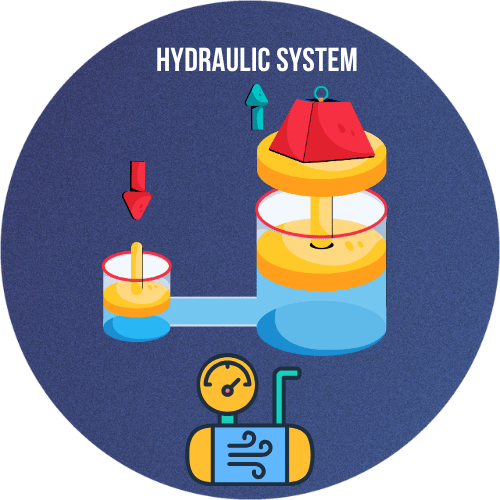 HYDRAULIC SYSTEM
  HYDRAULIC SYMBOLS
  HYDRAULIC STANDARDS
  HYDRAULIC CALCULATORS
  HYDRAULIC TOOLS
  BUYER’S GUIDES
In the demanding world of heavy lifting and pulling, the hydraulic winch stands out as a powerful, reliable, and indispensable piece of equipment. Whether on a rugged offshore vessel, a bustling construction site, or deep within a mining operation, hydraulic winches play a critical role in moving loads safely and efficiently. Unlike their electric counterparts, hydraulic winches harness the immense power of hydraulic systems to generate torque and handle challenging tasks that would otherwise be impractical or even impossible.
At its core, a hydraulic winch is a mechanical device designed to pull in (wind up) or let out (wind out) a cable or rope under precise control, using hydraulic fluid pressure as its primary power source. This ability to deliver consistent pulling force, even under harsh conditions, makes the hydraulic winch the preferred choice in many industrial applications.
As industries continue to push the boundaries of scale and complexity, the need for dependable equipment like the hydraulic winch only grows. From stabilizing oil rigs in turbulent seas to hoisting massive structural components on skyscrapers, hydraulic winches provide the muscle and control necessary to keep operations moving forward. Their design allows for continuous operation without the overheating concerns common in electric systems, offering a level of endurance unmatched by many alternative technologies.
This comprehensive guide dives deep into everything you need to know about hydraulic winches. We’ll explore how a hydraulic winch works, the critical components that make up these robust systems, and the various types tailored to specific industrial needs. You’ll also learn about the wide-ranging applications of hydraulic winches, along with their key advantages and some practical considerations to keep in mind when selecting the right winch for your projects.
By the end of this article, you’ll have a thorough understanding of why the hydraulic winch remains an essential tool in today’s industrial landscape. Whether you’re a mechanical engineer, procurement specialist, site supervisor, or simply curious about heavy machinery, this guide is designed to give you valuable insights into the world of hydraulic winches.
What Is a Hydraulic Winch?

A hydraulic winch is a mechanical device powered by pressurized hydraulic fluid, used to pull, lift, or lower heavy loads by winding or unwinding a cable or rope around a drum.
Unlike electric winches, which rely on electricity to power a motor, a hydraulic winch uses a hydraulic motor connected to a hydraulic power source (such as a pump). This allows it to generate very high torque, making it ideal for heavy-duty industrial, marine, construction, and off-road applications. Hydraulic winches are known for their continuous-duty operation, durability in harsh environments, and precise load control.
In short, a hydraulic winch is the go-to solution when you need powerful and reliable pulling force—especially in conditions where electric systems might overheat or fail.


