WELCOME TO HYDRAULIC INSIGHT !!!

What is a Dump Trailer Hydraulic Pump?

Contents

Dump trailers have become an indispensable tool in industries ranging from construction and agriculture to landscaping and waste management. Whether hauling gravel to a jobsite, moving soil across farmland, or transporting debris after a storm cleanup, dump trailers save countless hours of manual labor. The real efficiency of these trailers, however, lies in their ability to raise and lower the dump bed with ease—something made possible by the hydraulic system. At the heart of this system is the dump trailer hydraulic pump, a small but powerful component that makes heavy lifting simple and reliable.

A dump trailer hydraulic pump works by generating the fluid pressure required to extend and retract the hydraulic cylinder that raises and lowers the bed. Without the pump, a dump trailer would be little more than a standard hauling device, requiring manual unloading. With the pump, however, operators can handle thousands of pounds of material with the push of a button or the flick of a lever. This ability to automate the dumping process is why hydraulic pumps have become the standard in modern dump trailers, whether for small utility trailers or heavy-duty commercial models.

Understanding how a dump trailer hydraulic pump functions is important not only for operators but also for contractors, farmers, and equipment managers. Knowing the basics of the system helps users choose the right pump for their trailer, troubleshoot issues when they arise, and keep the equipment running efficiently for years. A well-maintained pump improves safety, increases productivity, and ensures that projects stay on schedule.

In this article, we will take an in-depth look at every aspect of the dump trailer hydraulic pump. We’ll begin by reviewing the fundamentals of hydraulic systems and how they apply to dump trailers. Then, we will explore the types of pumps available, the key components of the system, and the step-by-step operation process. Practical sections will cover common problems and maintenance practices, while the buying guide will help readers identify the right pump for their specific needs. We will also examine safety considerations, industry applications, and future trends shaping the development of hydraulic pumps for dump trailers.

By the end of this comprehensive guide, you will have a full understanding of what makes a dump trailer hydraulic pump essential, how it operates, how to maintain it, and how to select the best one for your trailer. Whether you are a professional contractor, a farmer, or a do-it-yourself user, this knowledge will help you get the most out of your dump trailer system.


2. Understanding the Basics of Hydraulic Systems

Hydraulic systems are one of the most efficient and widely used methods for generating controlled force and movement in machinery. From construction equipment like excavators and forklifts to everyday devices such as car brakes, hydraulics rely on the principle of using pressurized fluid to transmit power. To fully understand the importance of the dump trailer hydraulic pump, it is essential first to examine how hydraulic systems operate and why they are so effective for heavy-duty applications like dump trailers.

2.1 Pascal’s Law and the Core Principle of Hydraulics

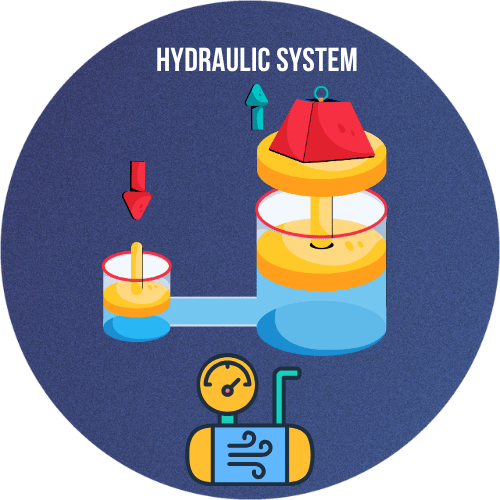
The foundation of hydraulics rests on Pascal’s Law, which states that when pressure is applied to a confined fluid, it is transmitted equally in all directions. This principle allows a small force applied at one point to generate a much larger force elsewhere. In the case of a dump trailer, the hydraulic pump pressurizes the fluid inside the system, and that pressure is directed into the hydraulic cylinder. As a result, the cylinder extends and lifts the dump bed with significant force, even though the pump itself is compact and lightweight.

2.2 Components of a Standard Hydraulic System

A hydraulic system typically includes several core elements, each playing a vital role in transferring energy:

  • Hydraulic fluid: The medium that carries energy throughout the system.

  • Reservoir: A tank that stores the hydraulic fluid until it is needed.

  • Pump: The heart of the system, converting mechanical energy into hydraulic energy by creating fluid flow. In dump trailers, this is the dump trailer hydraulic pump.

  • Control valves: Direct and regulate the flow of fluid to ensure proper operation of the cylinder.

  • Hoses and fittings: Pathways that transport the pressurized fluid safely.

  • Hydraulic cylinder: The actuator that translates hydraulic pressure into linear motion to raise or lower the dump bed.

Each of these parts must work together seamlessly. If one element fails, the entire hydraulic system can become inefficient or inoperable.

2.3 Hydraulic Systems in Dump Trailers

In dump trailers, hydraulics are applied in a simple yet powerful way. When the operator activates the control (usually a switch or remote), the dump trailer hydraulic pump engages and begins pressurizing the fluid. That fluid travels through hoses into the hydraulic cylinder, forcing the piston to extend. As the piston extends, the dump bed lifts, allowing material to slide out by gravity.

When lowering the bed, the control valve redirects the fluid flow back into the reservoir, allowing the cylinder to retract. This cycle of pressurization and release provides smooth and controlled lifting and dumping, making the process safe and efficient.

2.4 Advantages of Using Hydraulics for Dump Trailers

Hydraulic systems are the preferred choice for dump trailers because they offer several distinct advantages:

  1. High force with minimal effort – A relatively small hydraulic pump can lift loads weighing several tons.

  2. Compact design – The system does not require large mechanical gears or chains, making it space-efficient.

  3. Precise control – Operators can raise or lower the bed incrementally, giving them better handling when dumping material.

  4. Durability – With proper maintenance, hydraulic systems last for many years, even in harsh working environments.

  5. Versatility – Hydraulics can be adapted for small utility trailers as well as heavy-duty commercial dump trailers.

2.5 Why the Pump is the Heart of the System

Although all components are important, the pump remains the most critical. Without a reliable pump, the hydraulic cylinder cannot receive the necessary pressure to operate. The dump trailer hydraulic pump essentially transforms electrical or mechanical energy into hydraulic power. It is the driving force that allows the bed to rise, hold its position, and safely lower again. Choosing the right pump and ensuring its proper maintenance is, therefore, fundamental for reliable trailer operation.


3. What is a Dump Trailer Hydraulic Pump?

A dump trailer is only as effective as its hydraulic system, and at the very center of that system lies the pump. The dump trailer hydraulic pump is the component responsible for creating the pressure needed to raise and lower the trailer bed. While it might appear to be a relatively small part compared to the size of the trailer itself, it plays a critical role in enabling the trailer to handle heavy loads safely and efficiently.

What is a Dump Trailer Hydraulic Pump?

3.1 Definition and Function

A dump trailer hydraulic pump is a device that converts mechanical or electrical energy into hydraulic energy. In simpler terms, the pump pushes hydraulic fluid from the reservoir into the system at high pressure. This pressurized fluid flows into the hydraulic cylinder, which then extends to lift the dump bed. When lowering, the pump and control valves work together to allow the fluid to return to the tank, releasing pressure and letting the bed descend smoothly.

Without the pump, the hydraulic cylinder would not be able to function, meaning the dump trailer would require manual unloading. This highlights why the pump is often referred to as the “heart” of the dump trailer hydraulic system.

3.2 Types of Hydraulic Pumps Used in Dump Trailers

Several types of hydraulic pumps can be used in dump trailer systems, each with unique advantages:

  1. Gear Pumps

    • The most common type found in dump trailers.

    • Durable, simple in design, and cost-effective.

    • Provide steady flow and pressure for reliable performance.

  2. Vane Pumps

    • Offer smoother and quieter operation compared to gear pumps.

    • Not as widely used in dump trailers but can be found in specialized applications.

  3. Piston Pumps

    • Capable of producing very high pressures.

    • Used in heavy-duty dump trailers or equipment requiring extra lifting power.

    • More expensive and complex to maintain than gear or vane pumps.

Most standard dump trailers use a gear-type hydraulic pump because of its balance between cost, efficiency, and durability.

3.3 Manual vs. Power Hydraulic Pumps

Dump trailer pumps can also be categorized by how they are powered:

  • Manual Hydraulic Pumps

    • Operated by hand, often with a lever.

    • Found in small trailers or as a backup system.

    • Limited lifting capacity and slower operation.

  • Power Hydraulic Pumps

    • Operated by electricity (12V battery-powered units are most common).

    • Provide faster operation and can handle much larger loads.

    • Typically come with wired or wireless remote controls for convenience.

The majority of modern dump trailers are equipped with power pumps, as they save time and labor while allowing the operator to dump loads at the push of a button.

3.4 Role in the Dumping Process

Every time a load is raised, the dump trailer hydraulic pump starts by building fluid pressure. This pressure is directed into the cylinder, pushing the piston outward and lifting the trailer bed. Once the dumping process is complete, the pump assists in reversing the flow, allowing the bed to lower safely. The cycle can be repeated countless times, provided the pump and system are properly maintained.


4. Components of a Dump Trailer Hydraulic Pump System

The dump trailer hydraulic pump does not work alone. It is part of a carefully engineered system designed to move hydraulic fluid efficiently and safely. Each component has a distinct role, and when combined, they form a powerful mechanism capable of lifting thousands of pounds. Understanding these parts will help operators identify potential issues, perform routine maintenance, and select the right pump system for their trailer.

Components of a Dump Trailer Hydraulic Pump System

4.1 Hydraulic Reservoir (Tank)

The hydraulic reservoir is the storage container for hydraulic fluid. It provides a constant supply of oil to the pump and also allows air bubbles to escape from the fluid. In dump trailers, the reservoir is typically made of steel or aluminum and is sized to match the cylinder’s capacity. A clean reservoir is critical because contaminated fluid can quickly damage the pump, valves, and cylinder.

4.2 Hydraulic Pump Motor

The motor is what powers the pump. In most dump trailers, this is a 12-volt DC electric motor that draws energy from the trailer’s battery. Heavy-duty trailers connected to trucks may use a PTO-driven motor that transfers mechanical energy from the vehicle’s engine. The motor spins the pump gears or pistons, forcing hydraulic fluid into the pressurized system. Without a reliable motor, the dump trailer hydraulic pump cannot generate the force required for operation.

4.3 Hydraulic Pump (The Core Component)

The pump itself is the heart of the system. It converts electrical or mechanical energy into hydraulic pressure. As discussed earlier, most dump trailers use gear pumps due to their durability and cost-effectiveness. The pump creates flow and pressure, which drives the hydraulic cylinder. If the pump is weak, damaged, or undersized, the trailer may lift slowly or fail to raise at all.

4.4 Control Valve

The control valve directs hydraulic fluid to the correct side of the cylinder. Two common configurations are:

  • Single-acting valve – directs fluid into the cylinder for lifting, while gravity lowers the bed when the valve is released.

  • Double-acting valve – directs fluid for both lifting and lowering, giving more control and stability.

The valve is usually activated by a remote switch, allowing the operator to control the dump process safely from outside the trailer bed area.

4.5 Hydraulic Hoses and Fittings

Hoses and fittings are the arteries of the system, carrying pressurized hydraulic fluid between the pump, valves, and cylinder. They must withstand high pressure and resist abrasion, vibration, and environmental exposure. Poorly maintained hoses are a common cause of hydraulic fluid leaks, which can lead to pump inefficiency and unsafe operation.

4.6 Hydraulic Cylinder Connection

The cylinder is the actuator that translates hydraulic pressure into mechanical lifting force. In dump trailers, it is usually a single-acting telescopic cylinder capable of extending in stages to achieve significant lift height. The cylinder must be sized appropriately for the trailer load and pump pressure. If mismatched, even a strong dump trailer hydraulic pump may not function effectively.

4.7 Battery and Electrical Wiring (for Electric Pumps)

In systems using electric pumps, the trailer battery supplies the energy required to run the motor. Heavy-gauge wiring connects the battery to the motor and control switch. Weak batteries or corroded wiring connections can reduce pump performance, leading to slow or incomplete dumping cycles.

4.8 Safety Valves and Relief Valves

To protect the system from damage, most pumps include built-in safety devices:

  • Pressure relief valve – prevents over-pressurization that could burst hoses or damage the cylinder.

  • Check valves – maintain pressure when the pump is off, preventing the dump bed from dropping suddenly.

These components ensure safe operation, especially when handling heavy loads.


4.9 How the Components Work Together

When the operator activates the switch, the battery energizes the motor, which drives the dump trailer hydraulic pump. The pump pressurizes hydraulic fluid, pushing it through hoses to the control valve. Depending on the valve’s position, the fluid flows into the hydraulic cylinder, lifting the dump bed. When lowering, the valve redirects fluid back into the reservoir, and safety valves regulate the pressure to avoid sudden movement.


5. Types of Dump Trailer Hydraulic Pumps

Not all dump trailers are built the same, and neither are the pumps that power them. The dump trailer hydraulic pump can vary in design, size, and power source depending on the trailer’s load capacity, intended use, and operator preference. Choosing the right type of pump is critical to ensuring reliable operation and efficiency.

Below are the three main categories of dump trailer hydraulic pumps: electric pumps, PTO-driven pumps, and manual pumps.


5.1 Electric Hydraulic Pumps

Electric pumps are by far the most common type used in modern dump trailers. These pumps are typically powered by a 12-volt DC battery, although some larger units may use 24 volts. The battery supplies energy to a small motor that drives the pump, pressurizing the hydraulic fluid and sending it to the cylinder.

Advantages of Electric Pumps

  • Easy to operate—controlled with a wired or wireless remote.

  • Compact design, making them suitable for small and medium dump trailers.

  • Independent power source; no need for a truck’s engine to be running.

  • Widely available and relatively affordable.

Disadvantages of Electric Pumps

  • Dependence on the trailer’s battery; weak or dead batteries reduce performance.

  • Not ideal for heavy-duty, continuous operation because they can overheat.

  • Slower lifting speed compared to PTO-driven pumps.

For most contractors, landscapers, and farmers using light- to medium-duty trailers, the electric dump trailer hydraulic pump is the preferred choice.


5.2 PTO (Power Take-Off) Hydraulic Pumps

PTO hydraulic pumps are designed for heavy-duty trailers that need more power than an electric pump can provide. Instead of relying on a battery, a PTO pump uses the truck’s engine power to generate hydraulic pressure. The pump is connected to the PTO shaft of the towing vehicle, ensuring a constant and powerful flow of hydraulic fluid.

Advantages of PTO Pumps

  • Extremely powerful; capable of lifting very heavy loads quickly.

  • Reliable for continuous use without overheating.

  • No reliance on trailer batteries, which reduces downtime.

Disadvantages of PTO Pumps

  • More complex installation requiring proper alignment with the vehicle’s PTO system.

  • Higher initial cost compared to electric pumps.

  • Operation tied to the truck’s engine—cannot function without it running.

PTO pumps are most often used in commercial dump trailers or in applications where efficiency and power are non-negotiable, such as large construction or mining operations.


5.3 Manual Hydraulic Pumps

Manual pumps are the simplest and oldest type of dump trailer hydraulic pump. These pumps are operated by hand, usually through a lever or foot pedal. By pumping manually, the operator creates fluid pressure that extends the hydraulic cylinder.

Advantages of Manual Pumps

  • Very inexpensive and easy to maintain.

  • No reliance on batteries or engines.

  • Useful as a backup option in case of power failure.

Disadvantages of Manual Pumps

  • Require significant physical effort to operate.

  • Limited lifting capacity—not suitable for heavy loads.

  • Slower operation compared to electric and PTO pumps.

Manual pumps are typically used in small utility dump trailers or as emergency backup systems.


5.4 Comparing the Pump Types

Type of Pump Best For Advantages Disadvantages
Electric Pump Light to medium-duty trailers Easy operation, affordable, compact Battery-dependent, slower speed
PTO Pump Heavy-duty commercial trailers Very powerful, continuous use, fast lifting High cost, truck engine required
Manual Pump Small trailers or backup use Cheap, simple, no power needed Slow, limited capacity, labor-intensive

5.5 Selecting the Right Type

The choice between these types comes down to trailer size, load requirements, and budget. For most small to mid-sized dump trailers, the electric pump is sufficient and practical. For heavy-duty commercial work, a PTO pump is more appropriate. Manual pumps are rare today but still serve a purpose in specialized or backup situations.

Regardless of type, the dump trailer hydraulic pump must be properly matched with the trailer’s hydraulic cylinder and overall system to ensure safe and efficient operation.


6. How a Dump Trailer Hydraulic Pump Works

Although the hydraulic system of a dump trailer may look complex at first glance, the actual operating cycle of the dump trailer hydraulic pump follows a straightforward process. Understanding this cycle helps operators appreciate how their trailer functions, recognize signs of trouble early, and use the system more efficiently.


6.1 Step-by-Step Operation Cycle

  1. Activating the Control Switch

    • The process begins when the operator presses a button or flips a switch on the control unit. In most modern dump trailers, this control is either wired or wireless, making it easy to operate from a safe distance.

    • Once activated, the signal powers the motor connected to the hydraulic pump.

  2. Motor Drives the Pump

    • The electric motor (or PTO system, in heavy-duty applications) begins turning the gears or pistons inside the pump.

    • The dump trailer hydraulic pump starts drawing hydraulic fluid from the reservoir.

  3. Pressurizing Hydraulic Fluid

    • As the pump rotates, it pushes fluid into the pressurized lines of the system.

    • This flow builds pressure, which is directed toward the hydraulic cylinder.

  4. Extending the Hydraulic Cylinder

    • The pressurized fluid enters the base of the cylinder, forcing the piston to extend upward.

    • As the piston extends, the dump bed rises, lifting the load to the desired angle.

    • Safety valves regulate maximum pressure to prevent overloading.

  5. Holding the Load

    • Once the desired height is reached, the system can hold the dump bed in place.

    • Check valves inside the pump prevent backflow, ensuring the bed does not lower unintentionally.

  6. Reversing the Flow (Lowering the Bed)

    • When the operator activates the “down” function on the control switch, the valve changes position.

    • In a single-acting system, gravity helps lower the bed as the pump allows fluid to flow back into the reservoir.

    • In a double-acting system, the pump actively pushes fluid to retract the cylinder, providing smoother and more controlled lowering.

  7. Cycle Repeats

    • The system is now ready for the next load, and the cycle can be repeated as many times as necessary.


6.2 Key Control Features

Modern dump trailers often include additional features that enhance pump operation:

  • Wired or Wireless Remote Controls – allow the operator to stand safely away from the dump bed.

  • Automatic Shut-off – some pumps stop automatically when maximum lift is achieved.

  • Variable Speed Controls – advanced systems enable gradual or rapid lifting depending on the load.


6.3 Safety Mechanisms

To ensure safe operation, the dump trailer hydraulic pump is equipped with built-in safeguards:

  • Pressure Relief Valves – prevent excess pressure that could damage hoses or cylinders.

  • Check Valves – lock fluid in place to hold the dump bed steady when the pump is not running.

  • Manual Lowering Override – allows the operator to lower the bed in case of pump failure.

These safety features protect both the equipment and the operator, reducing the risk of accidents.


6.4 Why Understanding the Cycle Matters

By knowing how the pump cycle works, operators can:

  • Detect problems quickly (e.g., slow lifting may indicate low fluid or a weak pump).

  • Avoid unnecessary strain on the pump and motor.

  • Ensure safer and more controlled dumping operations.

The efficiency and safety of the entire trailer depend heavily on the reliable performance of the dump trailer hydraulic pump.


7. Common Problems with Dump Trailer Hydraulic Pumps

Even though the dump trailer hydraulic pump is designed for durability, frequent use, heavy loads, and environmental exposure can lead to operational issues. Recognizing common problems early helps prevent downtime, avoid costly repairs, and extend the pump’s service life. Below are some of the most frequent issues operators encounter, along with possible causes and solutions.


7.1 Pump Not Building Pressure

Symptoms: The motor runs, but the dump bed does not lift or only moves slightly.

Possible Causes:

  • Low hydraulic fluid level in the reservoir.

  • Worn-out gears or pistons inside the pump.

  • Air trapped in the hydraulic system.

  • Relief valve stuck open.

Solutions:

  • Check and refill hydraulic fluid.

  • Bleed the system to remove air pockets.

  • Inspect the pump for wear and replace if necessary.

  • Test and clean the relief valve.


7.2 Slow Lift Speed

Symptoms: The dump bed rises more slowly than usual.

Possible Causes:

  • Weak trailer battery or poor electrical connections (for electric pumps).

  • Contaminated or thick hydraulic fluid, especially in cold weather.

  • Worn pump components reducing efficiency.

  • Clogged filters or hoses restricting flow.

Solutions:

  • Recharge or replace the battery, and clean all wiring connections.

  • Replace old hydraulic fluid with the correct grade.

  • Service or replace the pump if internal wear is detected.

  • Inspect and clean filters and hoses.


7.3 Pump Motor Not Starting

Symptoms: When the control switch is pressed, nothing happens.

Possible Causes:

  • Dead or weak battery.

  • Blown fuse or faulty relay.

  • Damaged wiring or corroded connectors.

  • Burned-out motor.

Solutions:

  • Test and replace the trailer battery if necessary.

  • Check fuses and relays, replacing faulty ones.

  • Inspect wiring and connectors for corrosion or breaks.

  • If the motor is defective, rebuild or replace it.


7.4 Hydraulic Fluid Leaks

Symptoms: Visible puddles under the trailer, or fluid dripping from hoses or fittings.

Possible Causes:

  • Cracked hoses or worn-out fittings.

  • Loose connections in the hydraulic circuit.

  • Seal failure in the pump or cylinder.

Solutions:

  • Tighten fittings and replace damaged hoses.

  • Replace seals or gaskets in the pump or cylinder.

  • Use only high-quality hoses rated for hydraulic systems.


7.5 Air in the Hydraulic System

Symptoms: Jerky or uneven movement of the dump bed.

Possible Causes:

  • Low fluid level drawing in air.

  • Leaks in suction lines.

  • Improper bleeding after servicing.

Solutions:

  • Top off the reservoir with the correct fluid.

  • Repair or replace leaking suction lines.

  • Bleed the system thoroughly to remove trapped air.


7.6 Electrical Issues (for Electric Pumps)

Symptoms: Inconsistent operation, intermittent power loss, or overheating wires.

Possible Causes:

  • Undersized wiring unable to carry current.

  • Corroded terminals.

  • Faulty solenoid or control switch.

Solutions:

  • Use heavy-gauge wiring rated for the pump’s power draw.

  • Clean and tighten all terminals.

  • Test solenoids and switches, replacing defective parts.


7.7 Preventing Recurring Problems

Many of the issues above can be avoided with consistent maintenance and careful use:

  • Always use the manufacturer-recommended hydraulic fluid.

  • Keep the trailer battery fully charged.

  • Regularly inspect hoses, seals, and electrical wiring.

  • Do not overload the trailer beyond its rated capacity.


A malfunctioning dump trailer hydraulic pump not only reduces productivity but can also pose safety risks if the dump bed moves unpredictably. By paying attention to early warning signs, operators can keep their trailer systems in peak condition and avoid costly downtime.


8. Maintenance of Dump Trailer Hydraulic Pump

The dump trailer hydraulic pump is a hardworking piece of equipment, but like any mechanical system, it requires regular care to stay reliable. Proper maintenance not only extends the life of the pump but also ensures safe and efficient trailer operation. Neglecting maintenance can lead to costly breakdowns, downtime, and even accidents.


8.1 Importance of Preventive Maintenance

Preventive maintenance is far more effective than waiting for failures to occur. A well-maintained pump:

  • Operates more efficiently and delivers consistent lifting power.

  • Prevents leaks and premature wear of components.

  • Reduces the risk of sudden breakdowns during heavy use.

  • Improves safety by minimizing unexpected hydraulic failures.


8.2 Routine Checks and Inspections

  1. Hydraulic Fluid Levels

    • Check fluid levels before each use or at least weekly.

    • Low fluid can cause cavitation, pump damage, and reduced lifting power.

    • Use the type of hydraulic fluid recommended by the manufacturer.

  2. Fluid Quality

    • Replace hydraulic fluid at scheduled intervals or if it becomes dark, milky, or contaminated.

    • Dirty fluid can cause wear inside the pump and clog control valves.

  3. Hoses and Fittings

    • Inspect for cracks, bulges, or leaks.

    • Ensure fittings are tight but not over-torqued.

    • Replace any damaged hoses immediately to avoid sudden fluid loss.

  4. Battery and Wiring (for Electric Pumps)

    • Check battery charge regularly and recharge as needed.

    • Inspect cables for corrosion, fraying, or loose connections.

    • Keep terminals clean to ensure steady current flow.

  5. Pump Operation

    • Listen for unusual noises such as grinding, whining, or knocking.

    • Slow or jerky operation may indicate air in the system, clogged filters, or pump wear.


8.3 Seasonal Maintenance Tips

  • Cold Weather:

    • Use hydraulic fluid rated for low temperatures to avoid thickening.

    • Warm up the system before heavy use to reduce strain on the pump.

  • Hot Weather:

    • Ensure proper ventilation around the motor to prevent overheating.

    • Monitor fluid condition, as high temperatures accelerate fluid breakdown.


8.4 Service Intervals

  • Daily/Weekly: Check fluid levels, battery charge, and hose condition.

  • Monthly: Inspect fittings, clean electrical connections, and check valve operation.

  • Every 6–12 Months: Replace hydraulic fluid and filters, perform a full inspection of seals, and test relief valves.

  • As Needed: Replace worn or damaged parts immediately rather than waiting for complete failure.


8.5 Best Practices for Long-Term Reliability

  • Always keep the hydraulic reservoir covered to prevent contamination.

  • Store the trailer in a sheltered area to protect components from rain, dust, and UV damage.

  • Do not overload the trailer, as this forces the pump to operate at maximum pressure, reducing its lifespan.

  • Train all operators on proper pump use to minimize abuse or accidental damage.


8.6 When to Seek Professional Service

While many maintenance tasks can be performed by the trailer owner, some repairs should be left to professionals:

  • Internal pump rebuilds.

  • Replacement of major seals or hydraulic cylinders.

  • Electrical system rewiring.

Attempting complex repairs without the right tools and knowledge can make the problem worse and compromise safety.


Regular care ensures that the dump trailer hydraulic pump remains reliable throughout its service life. By following preventive maintenance practices and paying attention to early warning signs, operators can avoid costly downtime and keep their dump trailers working efficiently for years.


9. Buying Guide: Choosing the Right Dump Trailer Hydraulic Pump

Selecting the right dump trailer hydraulic pump is essential to ensure reliable operation, safety, and efficiency. With many different pump types, sizes, and brands available on the market, choosing one can feel overwhelming. This section provides a clear guide to help contractors, farmers, and trailer owners make informed decisions.


9.1 Key Factors to Consider

  1. Trailer Size and Load Capacity

    • Larger trailers carrying heavy loads require stronger pumps with higher pressure ratings.

    • Small to medium trailers can typically operate with 12V electric hydraulic pumps.

    • Commercial trailers hauling several tons of material may need PTO-driven pumps for maximum power.

  2. Single-Acting vs. Double-Acting Systems

    • Single-Acting Pump: Pressurizes fluid only in one direction (to lift the bed). The bed lowers by gravity when the valve is released.

    • Double-Acting Pump: Pressurizes fluid both ways (to lift and lower). Provides smoother operation and greater control, especially when lowering heavy loads.

  3. Motor Voltage

    • Most electric pumps use 12V systems, but some heavy-duty applications may require 24V.

    • Always match the pump’s motor voltage to the trailer’s electrical system.

  4. Reservoir Size

    • The hydraulic reservoir must be large enough to hold the volume of fluid needed to fully extend the cylinder.

    • Undersized reservoirs can cause cavitation and pump damage.

  5. Pump Flow Rate (GPM) and Pressure (PSI)

    • Flow rate (Gallons Per Minute) determines how fast the dump bed lifts.

    • Pressure (Pounds per Square Inch) determines how much weight the pump can handle.

    • Balance is important: too much flow with low pressure results in speed but no strength, while too much pressure without adequate flow causes sluggish operation.


9.2 Top Features to Look For

  • Remote Control Options: Wired or wireless for convenience.

  • Built-in Safety Valves: Relief and check valves to protect the system.

  • Durable Construction: Pumps made from high-quality materials last longer under heavy use.

  • Easy Serviceability: Replaceable filters, seals, and modular components reduce repair costs.


9.3 New vs. Rebuilt Pumps

  • New Pumps

    • Offer maximum reliability and warranty protection.

    • Higher upfront cost but lower risk of failure.

  • Rebuilt Pumps

    • More affordable but may have shorter service life.

    • Suitable for light-duty use or as a backup pump.

When buying rebuilt, always purchase from a reputable source that provides testing and warranty.


9.4 Price Ranges and Budget Considerations

  • Electric Hydraulic Pumps: $400 – $900 depending on capacity and features.

  • PTO Hydraulic Pumps: $800 – $1,800, often sold with installation kits.

  • Manual Pumps: $150 – $400, mainly for small utility trailers.

While cost is important, investing in a quality pump that matches your trailer’s workload will save money in the long run by reducing breakdowns and repairs.


9.5 Recommended Brands and Manufacturers

Some of the most trusted names in the dump trailer hydraulic pump market include:

  • MTE Hydraulics – Known for durable electric and PTO pump units.

  • Monarch Hydraulics – Offers compact, reliable pumps for dump trailers.

  • KTI Hydraulics – Popular brand with a wide range of electric pump options.

  • HYDRA-STAR – Specializes in high-performance trailer hydraulic pumps.

  • Surplus Center – Distributor offering both new and rebuilt hydraulic pumps.

When choosing a brand, look for strong customer support, warranty coverage, and availability of replacement parts.


9.6 Making the Final Choice

The best pump for your trailer depends on:

  • The weight and frequency of loads you haul.

  • Whether you need single-acting or double-acting control.

  • The power source available (electric battery or PTO).

  • Your budget and long-term reliability needs.


10. Safety Considerations When Using Dump Trailer Hydraulic Pumps

A dump trailer can handle heavy materials with ease, but it also carries significant risks if not operated safely. Since the dump trailer hydraulic pump controls the lifting and lowering of the bed, any misuse, overload, or system failure can lead to accidents, injuries, or equipment damage. Following safety best practices protects both the operator and the trailer.


10.1 Proper Lifting and Lowering Practices

  • Always ensure the trailer is on level ground before lifting the bed. Uneven surfaces increase the chance of tipping.

  • Never stand under or near a raised bed unless it is secured with mechanical supports. The pump and hydraulic cylinder are reliable, but they should not be treated as permanent holding devices.

  • Lower the bed slowly and in a controlled manner. Avoid sudden drops that can damage the cylinder, pump, or trailer frame.


10.2 Avoiding Overloads

  • Each dump trailer is rated for a maximum capacity. Overloading puts excessive strain on the dump trailer hydraulic pump, motor, and cylinder.

  • Consistently exceeding load limits can cause premature wear, leaks, or catastrophic pump failure.

  • Distribute loads evenly to prevent side stresses that could destabilize the trailer during dumping.


10.3 Electrical and Hydraulic Safety

  • Inspect electrical connections regularly when using an electric pump. Loose or corroded terminals can cause shorts or even fires.

  • For PTO pumps, confirm all connections are properly secured before operation.

  • Avoid touching hydraulic hoses or fittings when the pump is running—pressurized leaks can cause injection injuries.

  • Always relieve hydraulic pressure before performing any maintenance or repairs.


10.4 Regular System Inspections

  • Check hydraulic hoses for cracks, bulges, or leaks before each use.

  • Inspect the pump and reservoir for signs of overheating, unusual noise, or fluid contamination.

  • Ensure safety valves and relief valves are working properly to prevent dangerous over-pressurization.


10.5 Following Manufacturer Guidelines

  • Always use the recommended hydraulic fluid and follow the service intervals provided by the manufacturer.

  • Use only compatible replacement parts for the pump, motor, and hoses.

  • Do not attempt to modify the dump trailer hydraulic pump system without professional guidance.


10.6 Training and Awareness

  • All operators should be trained on the correct use of the hydraulic pump and safety procedures.

  • Keep bystanders, especially children, away from the trailer during operation.

  • Use protective gear such as gloves and safety glasses when performing maintenance.


By respecting load limits, following safe operating practices, and performing regular inspections, operators can dramatically reduce the risks associated with dump trailer use. Safety should always be the top priority, and the dump trailer hydraulic pump should be treated as a powerful but carefully controlled tool.


11. Applications of Dump Trailer Hydraulic Pumps

The dump trailer hydraulic pump is not limited to a single industry. Its ability to provide controlled, powerful lifting makes it valuable in a wide range of applications. From construction and agriculture to waste management and landscaping, dump trailers equipped with hydraulic pumps are relied upon daily to move and unload heavy materials quickly and efficiently.


11.1 Construction Industry

One of the most common uses of dump trailers is in construction. Contractors depend on dump trailers to haul and unload materials such as gravel, sand, dirt, asphalt, and concrete debris. The hydraulic pump allows the operator to unload precisely at the jobsite, saving time and labor. A reliable pump ensures that even multiple trips per day can be managed without delays, keeping construction projects on schedule.


11.2 Agriculture and Farming

Farmers and agricultural workers also benefit greatly from dump trailers. The dump trailer hydraulic pump makes it easy to transport and dump manure, harvested crops, hay, feed, and soil. On large farms, trailers must often travel over uneven terrain, and having a dependable hydraulic system ensures materials can be dumped exactly where needed, even under tough conditions.


11.3 Landscaping and Gardening

In landscaping, dump trailers are used for hauling mulch, topsoil, rocks, and decorative stone. A hydraulic pump provides precise dumping control, allowing landscapers to unload material evenly across garden beds, driveways, or yards. This makes landscaping work faster, cleaner, and more professional.


11.4 Waste Management and Cleanup

Dump trailers are also critical in the waste management sector. Whether for municipal waste, industrial cleanup, or disaster recovery, the hydraulic pump allows for quick unloading of bulky and heavy debris. After storms or construction demolitions, contractors often use dump trailers to remove rubble efficiently. A strong dump trailer hydraulic pump ensures the trailer can handle heavy loads without mechanical strain.


11.5 Utility and DIY Applications

For smaller-scale users, dump trailers serve as versatile tools for property maintenance and do-it-yourself projects. Homeowners may use a hydraulic trailer to haul firewood, soil, or construction waste. Even at this scale, the convenience of a hydraulic pump eliminates the back-breaking labor of manual unloading.


11.6 Specialized Applications

  • Roadwork: Hauling asphalt and gravel for paving projects.

  • Forestry: Moving logs, wood chips, and brush.

  • Mining and Quarries: Transporting crushed stone and ore in smaller-scale operations.

Each of these applications highlights the flexibility and strength of the dump trailer hydraulic pump. Regardless of the material being transported, the pump provides the consistent power needed to lift and unload safely.


11.7 Why Applications Depend on Pump Quality

While trailers may differ in size, the hydraulic pump remains the deciding factor in performance. A high-quality pump ensures smooth operation across all industries, while a weak or poorly maintained pump can slow down projects and create unsafe working conditions. This is why so many industries invest in reliable pumps from trusted manufacturers.

In every application—from construction to farming and beyond—the dump trailer hydraulic pump transforms a simple trailer into a powerful, time-saving machine. Its wide range of uses demonstrates just how essential it is in modern hauling operations.


12. Conclusion

The dump trailer hydraulic pump is the powerhouse behind every efficient dump trailer. While the trailer itself provides the capacity to haul, it is the pump that transforms a simple trailer into a highly functional tool capable of lifting and unloading heavy loads with minimal effort. From small landscaping projects to large-scale construction and farming operations, the pump makes the difference between backbreaking manual work and smooth, reliable hydraulic performance.

Throughout this guide, we explored the fundamentals of hydraulic systems, the working principles of the pump, and the critical role it plays in trailer operation. We reviewed the components of a complete hydraulic system, the types of pumps available, and their advantages and disadvantages. We also examined the step-by-step operation cycle, common problems, and preventive maintenance practices that keep the pump in peak condition. For buyers, we provided practical selection criteria, price ranges, and trusted manufacturers to make pump purchasing decisions easier.

Safety was another key focus. Operating a dump trailer safely means respecting load limits, inspecting systems regularly, and following manufacturer guidelines. The dump trailer hydraulic pump is powerful, but it requires careful handling to prevent accidents and ensure long-term reliability. Training operators and performing consistent inspections are just as important as having the right pump installed.

Looking ahead, the future of hydraulic pump technology is promising. Smart sensors, eco-friendly hydraulic fluids, lightweight materials, and integration with electric vehicles are shaping the next generation of pumps. These advancements will make dump trailers more efficient, environmentally responsible, and user-friendly, while also extending the lifespan of hydraulic systems.

For contractors, farmers, landscapers, and property owners, the takeaway is clear: a well-chosen and well-maintained dump trailer hydraulic pump is not just an accessory but a vital investment. It saves time, reduces labor, increases productivity, and ensures safer operations across industries.

In short, the dump trailer may carry the load, but the hydraulic pump carries the responsibility of making the job possible. With proper care and smart selection, it will continue to deliver dependable performance for years to come.

What is a Hydraulic Cylinder Piston ?

How to Choose the Right Hydraulic Fluid (or Hydraulic Oil)

Related posts
PTO Hydraulic Pump Explained: How It Works, Benefits & Selection

Contents1 2 1.What Is a PTO Hydraulic Pump?2.1 Why Use a PTO Hydraulic Pump?3 2. Understanding the PTO (Power Take-Off) System3.1 Types of PTO Systems3.2 How PTO Works with Hydraulic Systems3.3 Benefits of PTO Systems in Hydraulic Applications3.4 The Link to PTO Hydraulic Pump4 3. Basic Design of a PTO Hydraulic Pump4.1 Operating Principle4.2 Distinction […]

Read more
What is an Electric Hydraulic Pump?

Contents1 2 I. Introduction3 2. Fundamentals of Hydraulic Power3.1 2.1 The Core Principle: Pascal’s Law3.2 2.2 Key Parameters of Hydraulic Power3.3 2.3 Role of Electric Motors in Hydraulics3.4 2.4 Advantages of Hydraulic Power in General3.5 2.5 Importance of Hydraulic Power in Modern Industry4 3. What is an Electric Hydraulic Pump?4.1 3.1 Definition and Concept4.2 3.2 […]

Read more
What is a Hydraulic Ram Pump?

Contents1 What is a Hydraulic Ram Pump?2 Working Principle of Hydraulic Ram Pump2.1 1. Flow of Water into the Drive Pipe2.2 2. Waste Valve Action2.3 3. Water Hammer Effect2.4 4. Delivery Valve Operation2.5 5. Repetition of the Cycle2.6 Key Insights on the Working Principle3 Main Components of a Hydraulic Ram Pump3.1 1. Drive Pipe3.2 2. […]

Read more
What Is a Hydraulic Pump? How Does a Hydraulic Pump Work?

Contents1 2 1. What Is a Hydraulic Pump?3 2. How Does a Hydraulic Pump Work?3.1 Basic Operating Principle3.2 Types of Flow: Fixed vs. Variable Displacement3.3 Key Factors in Hydraulic Pump Performance4 3. Main Types of Hydraulic Pumps4.1 3.1 Gear Hydraulic Pumps4.1.1 Subtypes:4.2 3.2 Vane Hydraulic Pumps4.3 3.3 Piston Hydraulic Pumps4.3.1 Types of Piston Pumps:4.4 3.4 […]

Read more