 HYDRAULIC BASICS
  HYDRAULIC COMPONENTS
 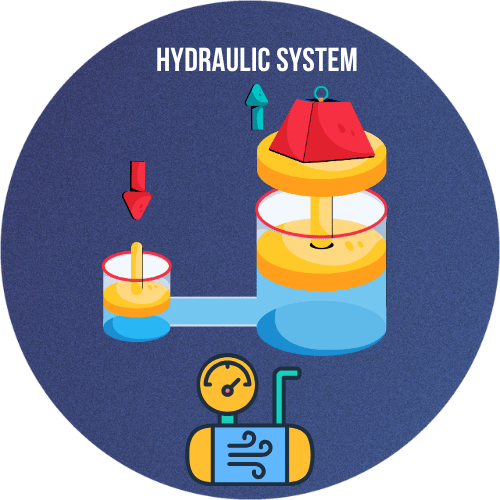 HYDRAULIC SYSTEM
  HYDRAULIC SYMBOLS
  HYDRAULIC STANDARDS
  HYDRAULIC CALCULATORS
  HYDRAULIC TOOLS
  BUYER’S GUIDES

A hydraulic fitter plays a vital role in industries that rely on hydraulic power to operate heavy equipment and precision machinery. From construction sites to offshore oil rigs, from aircraft systems to factory automation lines, the work of a hydraulic fitter ensures that hydraulic systems run safely, efficiently, and reliably. Without their expertise, the risk of breakdowns, costly downtime, and even safety hazards would be significantly higher.
Hydraulic systems are at the heart of modern engineering because they provide controlled force and motion. However, these systems are only as dependable as the people who assemble, maintain, and repair them. A hydraulic fitter is the professional responsible for installing hydraulic hoses, pipes, pumps, valves, cylinders, and other components. Beyond installation, a hydraulic fitter also performs preventive maintenance, diagnoses system issues, and carries out complex troubleshooting when problems occur.
As industries continue to push the boundaries of performance, the demand for skilled hydraulic fitters grows stronger. Whether it’s handling the hydraulics of an excavator on a construction site, servicing aircraft hydraulic landing gear, or maintaining the massive pumps used in oil refineries, a hydraulic fitter is at the core of keeping operations moving. Their knowledge of pressure, flow, and safety protocols ensures not only performance but also the protection of workers and equipment.
This article explores in detail the responsibilities, tools, skills, training, and career opportunities of a hydraulic fitter. It also examines the challenges they face and the best practices they follow to maintain the highest standards of safety and reliability. For anyone considering a career as a hydraulic fitter, or for employers seeking to understand the importance of this role, the following sections provide an in-depth guide.
1. Understanding Hydraulic Fitter
Understanding a hydraulic fitter means recognizing the vital role they play in installing, maintaining, and repairing hydraulic systems across many industries. A hydraulic fitter works with pumps, valves, hoses, cylinders, and high-pressure components to ensure machines operate safely and efficiently. This profession requires strong technical knowledge, precision, and problem-solving skills. By understanding what a hydraulic fitter does, both businesses and technicians can better appreciate the importance of proper hydraulic system care and the expertise needed to keep industrial equipment running smoothly.


