 HYDRAULIC BASICS
  HYDRAULIC COMPONENTS
 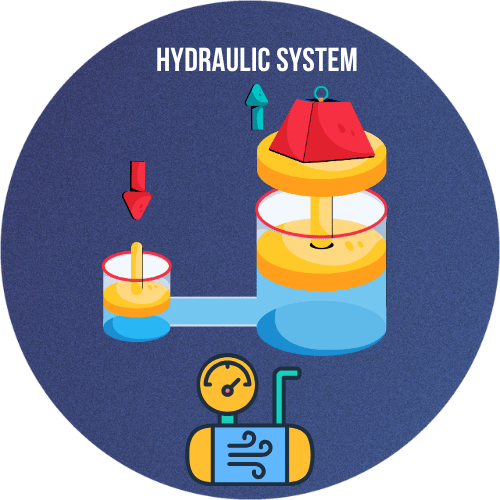 HYDRAULIC SYSTEM
  HYDRAULIC SYMBOLS
  HYDRAULIC STANDARDS
  HYDRAULIC CALCULATORS
  HYDRAULIC TOOLS
  BUYER’S GUIDES

Hydraulic cylinders are one of the most important components in modern fluid power systems. They convert hydraulic energy into linear mechanical force and motion, making them essential for lifting, pushing, pulling, pressing, and positioning heavy loads. From construction machinery and manufacturing equipment to agricultural systems and oil & gas applications, hydraulic cylinders play a critical role in enabling powerful, precise, and reliable operation. To use them effectively, it is essential to understand the different types of hydraulic cylinders and how each design suits specific applications.
Not all hydraulic cylinders are built the same. Depending on how force is applied, how the cylinder is constructed, and how it is mounted, performance characteristics can vary significantly. Some cylinders are designed for simple lifting tasks, while others are engineered for high-pressure industrial environments or compact mobile equipment where space is limited. Choosing the wrong type of hydraulic cylinder can lead to reduced efficiency, premature wear, increased maintenance costs, or even system failure. This is why a clear understanding of the various types of hydraulic cylinders is so important for engineers, technicians, equipment designers, and buyers.
Hydraulic cylinders are commonly classified by their operating method, construction style, and application. For example, single-acting and double-acting cylinders differ in how hydraulic pressure is applied, while tie-rod, welded, and telescopic cylinders differ in structural design and pressure capability. Each type offers specific advantages and limitations related to force output, stroke length, size, durability, and maintenance requirements. Understanding these differences allows users to match the right cylinder to the right job, improving both performance and reliability.
In today’s industries, hydraulic systems are becoming more advanced, with higher pressures, tighter tolerances, and increasing demands for efficiency and automation. As a result, modern hydraulic cylinders may also include features such as cushioning, position sensing, or smart feedback systems. These advancements make it even more important to understand the fundamental and advanced types of hydraulic cylinders available on the market.
This article provides a comprehensive explanation of the most common and widely used types of hydraulic cylinders. It covers how each type works, its key design features, advantages, limitations, and typical applications. Whether you are new to hydraulics or an experienced professional looking to deepen your knowledge, this guide will help you make informed decisions when selecting, applying, or maintaining hydraulic cylinders in real-world systems.


