

 HYDRAULIC BASICS
  HYDRAULIC COMPONENTS
 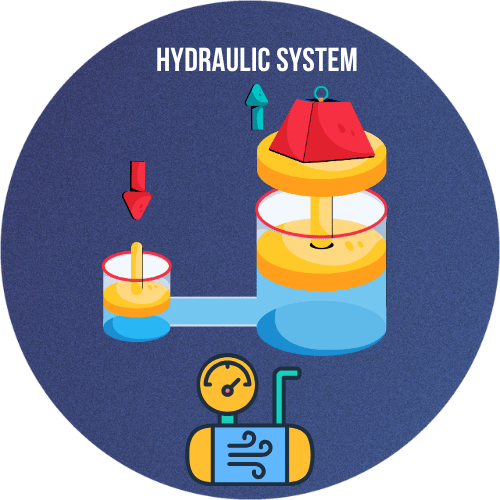 HYDRAULIC SYSTEM
  HYDRAULIC SYMBOLS
  HYDRAULIC STANDARDS
  HYDRAULIC CALCULATORS
  HYDRAULIC TOOLS
  BUYER’S GUIDES
Hydraulic Size Chart
Hydraulic hoses are critical components used to transfer pressurized hydraulic fluid between system components. Selecting the correct hose size ensures proper flow, pressure stability, and system efficiency.
A hydraulic hose size chart helps engineers quickly identify hose dimensions, dash sizes, inner diameter, and recommended flow capacity.
1. What Is a Hydraulic Hose Size?
Explanation of:
-
Inner Diameter (ID)
-
Outer Diameter (OD)
-
Dash size system
-
Pressure rating
Example:
| Dash Size | Hose ID | Inch | mm |
|---|---|---|---|
| -4 | 1/4″ | 6.4 mm | |
| -6 | 3/8″ | 9.5 mm | |
| -8 | 1/2″ | 12.7 mm | |
| -10 | 5/8″ | 15.9 mm | |
| -12 | 3/4″ | 19.1 mm | |
| -16 | 1″ | 25.4 mm |
2. Hydraulic Hose Dash Size Chart
Full table of:
-
Dash size
-
Inner diameter
-
Outer diameter
-
Recommended flow
3. Hydraulic Hose Flow Capacity Chart
Explain velocity recommendations:
| Fluid | Velocity |
|---|---|
| Suction lines | 2–4 ft/s |
| Return lines | 5–10 ft/s |
| Pressure lines | 15–20 ft/s |
4. Hydraulic Hose Pressure Ratings
Explain:
-
Working pressure
-
Burst pressure
-
Safety factor
5. How to Select the Correct Hose Size
Steps:
-
Determine flow rate
-
Check velocity limits
-
Choose hose diameter
-
Verify pressure rating
6. Common Hydraulic Hose Standards
-
SAE J517
-
ISO 18752
-
EN 853 / EN 856
7. Applications
-
Excavators
-
Industrial hydraulic presses
-
Construction equipment
-
Oil & gas systems
2. Hydraulic Cylinder Size Chart
Hydraulic cylinders convert hydraulic pressure into mechanical force. Proper sizing is essential for load capacity and system performance.
A hydraulic cylinder size chart provides reference values for bore size, rod diameter, and output force.
1. Hydraulic Cylinder Dimensions
Explain:
-
Bore diameter
-
Rod diameter
-
Stroke length
2. Cylinder Bore Size Chart
| Bore Size | Area | Force @ 3000 PSI |
|---|---|---|
| 1 in | 0.785 in² | 2355 lb |
| 2 in | 3.14 in² | 9420 lb |
| 3 in | 7.07 in² | 21210 lb |
| 4 in | 12.57 in² | 37710 lb |
3. Cylinder Force Chart
Formula:
Force = Pressure × Area
4. Cylinder Speed Chart
Speed depends on:
-
Flow rate
-
Cylinder area
5. How to Select Cylinder Size
Steps:
-
Determine required force
-
Check operating pressure
-
Calculate bore size
-
Select stroke length
6. Common Hydraulic Cylinder Applications
-
Excavators
-
Hydraulic presses
-
Lifting equipment
-
Manufacturing automation
3. Hydraulic Fitting Size Chart
Hydraulic fittings connect hoses, pipes, and valves within a hydraulic system. Proper sizing ensures leak-free connections and system safety.
1. Types of Hydraulic Fittings
-
NPT
-
BSP
-
JIC
-
ORFS
-
Metric
2. Hydraulic Fitting Size Chart
| Dash Size | Thread | Tube OD |
|---|---|---|
| -4 | 1/4 | 1/4″ |
| -6 | 3/8 | 3/8″ |
| -8 | 1/2 | 1/2″ |
| -10 | 5/8 | 5/8″ |
| -12 | 3/4 | 3/4″ |
3. Thread Types Explained
NPT vs BSP vs JIC differences.
4. Pressure Ratings of Hydraulic Fittings
Discuss:
-
material
-
connection type
-
sealing method
5. How to Identify Hydraulic Fitting Size
Tools:
-
thread gauge
-
caliper
-
reference charts
6. Applications
-
Hydraulic equipment
-
Oil & gas
-
Mobile machinery
-
Industrial automation
4. Hydraulic Pipe Size Chart
Hydraulic pipes transport fluid under pressure between system components. Correct pipe sizing reduces pressure drop and improves system efficiency.
1. Hydraulic Pipe Size Basics
Explain:
-
Nominal pipe size (NPS)
-
Inner diameter
-
Wall thickness
2. Hydraulic Pipe Size Chart
| Pipe Size | ID | Flow Capacity |
|---|---|---|
| 1/4 | 0.364 in | |
| 3/8 | 0.493 in | |
| 1/2 | 0.622 in | |
| 3/4 | 0.824 in | |
| 1 | 1.049 in |
3. Flow Velocity Chart
Recommended velocity:
| System | Velocity |
|---|---|
| Suction | 2–4 ft/s |
| Return | 5–10 ft/s |
| Pressure | 10–20 ft/s |
4. Pressure Drop Considerations
Explain:
-
pipe diameter
-
pipe length
-
viscosity
5. Hydraulic Pipe Materials
-
Carbon steel
-
Stainless steel
-
Alloy steel
6. Standards
-
ASTM
-
SAE
-
ISO


A Hydraulic Size Chart is a technical reference table used by engineers and technicians to identify and select the correct sizes of hydraulic components used in hydraulic systems. These charts provide standardized dimensions and specifications for components such as hydraulic hoses, fittings, cylinders, pipes, and valves.
Hydraulic systems rely on precise component sizing to ensure efficient fluid flow, pressure control, and safe operation. Hydraulic size charts help simplify this process by presenting key parameters—such as inner diameter, outer diameter, dash sizes, thread sizes, pressure ratings, and flow capacity—in a clear and organized format.
For example, a hydraulic hose size chart typically includes dash numbers, hose inner diameter, and recommended flow rates. A hydraulic fitting size chart may list thread types such as NPT, BSP, JIC, and ORFS, along with their corresponding dimensions. Cylinder size charts show bore diameter, rod diameter, and force output at different pressure levels.
Using a hydraulic size chart allows engineers to quickly determine compatibility between components, calculate flow requirements, and avoid costly system failures caused by incorrect sizing.
Hydraulic size charts are widely used in many industries, including:
Oil and gas
Construction equipment
Manufacturing and automation
Mining and heavy machinery
Agricultural machinery
Marine and offshore systems
Because hydraulic systems operate under high pressure, selecting the correct component size is critical for both performance and safety. Size charts provide a reliable engineering reference that supports system design, maintenance, troubleshooting, and equipment upgrades.
In this guide, you will find comprehensive hydraulic size charts covering hoses, fittings, cylinders, pipes, and other essential hydraulic components used in modern hydraulic systems.