Key Factors to Consider When Selecting Hydraulic Fittings
Selecting hydraulic fittings for high-pressure systems requires more than matching size and thread type. High pressure amplifies every weakness in a hydraulic connection, making proper selection essential for safety, reliability, and long-term performance. The following key factors should always be evaluated when choosing hydraulic fittings for demanding high-pressure applications.
Pressure Rating and Safety Factor
The most critical factor in selecting hydraulic fittings for high-pressure systems is pressure rating. Every fitting has a maximum rated working pressure determined by its design, material, size, and sealing method. The fitting’s pressure rating must meet or exceed the system’s maximum operating pressure—not just the nominal pressure, but also potential pressure spikes.
Hydraulic systems often experience transient pressure surges caused by rapid valve closure, load changes, or shock loading. These pressure spikes can exceed normal operating pressure by 30–50% or more. For this reason, a safety factor is essential. High-quality hydraulic fittings for high-pressure systems are designed with built-in safety margins, but system designers should still select fittings with pressure ratings comfortably above the expected maximum pressure to prevent fatigue, deformation, or sudden failure.
Material Selection
Material choice directly affects the strength, durability, and corrosion resistance of hydraulic fittings. Carbon steel fittings are commonly used in high-pressure hydraulic systems due to their high strength and cost-effectiveness. They are suitable for most industrial and mobile applications where corrosion exposure is limited.
Stainless steel hydraulic fittings are preferred in corrosive environments, high-temperature applications, or where cleanliness is critical. Although stainless steel typically has a slightly lower pressure rating than alloy steel of the same size, it offers superior corrosion resistance and longer service life in harsh conditions. Alloy steel fittings are often used in extreme high-pressure systems where maximum strength is required.
When selecting hydraulic fittings for high-pressure systems, material compatibility with the hydraulic fluid and surrounding environment must also be considered to prevent corrosion, stress cracking, or premature wear.
Temperature Compatibility
Temperature has a significant impact on both fitting materials and sealing elements. As temperature increases, material strength can decrease, effectively lowering the pressure rating of the fitting. Conversely, extremely low temperatures can make materials brittle and increase the risk of cracking.
Seal materials are particularly sensitive to temperature. Common seal materials such as NBR, FKM, EPDM, and PTFE each have specific temperature limits. Selecting hydraulic fittings for high-pressure systems without verifying temperature compatibility can result in seal extrusion, hardening, or leakage. Always ensure that both the fitting body and seal materials are rated for the full operating temperature range of the system.
Hydraulic Fluid Compatibility
Different hydraulic fluids interact differently with fitting materials and seals. Mineral-based hydraulic oils are generally compatible with most standard fittings and seals, but synthetic fluids, bio-based fluids, and fire-resistant hydraulic fluids may require special consideration.
Certain fluids can cause seal swelling, degradation, or chemical attack if incompatible materials are used. When selecting hydraulic fittings for high-pressure systems, it is essential to verify compatibility between the hydraulic fluid, fitting material, and seal compound to ensure long-term reliability and leak-free performance.
Sealing Method and Connection Type
The sealing mechanism plays a major role in high-pressure performance. Metal-to-metal seals, such as flared fittings, provide good pressure capability but can be sensitive to vibration and misalignment. Elastomeric sealing methods, such as O-ring face seal (ORFS) fittings, offer superior leak resistance and are often preferred in high-pressure systems.
Flange connections distribute load evenly and are ideal for very high-pressure and high-flow applications. Threaded connections with secondary seals can also be effective when properly designed and installed. Selecting the correct sealing method for hydraulic fittings for high-pressure systems helps minimize leakage, reduce maintenance, and improve overall system reliability.
Vibration and Mechanical Stress
High-pressure hydraulic systems are often subject to vibration, mechanical movement, and impulse loading—especially in mobile equipment and heavy machinery. These forces can loosen connections, damage seals, or cause fatigue failure over time.
Hydraulic fittings for high-pressure systems should be chosen based on their ability to withstand vibration and cyclic loading. Designs such as ORFS fittings, flange fittings, and double-ferrule compression fittings generally offer better resistance to vibration than basic threaded connections. Proper support, alignment, and routing of hoses and tubes further reduce stress on fittings.
Standards and Interchangeability
Industry standards such as SAE, ISO, and DIN define dimensions, pressure ratings, and performance requirements for hydraulic fittings. Using standardized hydraulic fittings for high-pressure systems ensures compatibility, interchangeability, and compliance with safety regulations.
Mixing non-compatible standards or thread types can lead to improper sealing and dangerous failures. Always confirm that fittings, hoses, tubes, and ports follow the same standard and pressure classification.
Installation and Maintenance Considerations
Even the best hydraulic fittings can fail if installed incorrectly. Proper torque, cleanliness, alignment, and assembly procedures are essential for high-pressure performance. Some fittings require specific assembly tools or procedures to achieve their rated pressure capability.
When selecting hydraulic fittings for high-pressure systems, consider ease of installation, inspection access, and maintenance requirements. Fittings that are easier to install correctly and inspect regularly help reduce downtime and improve system safety.
By carefully evaluating these key factors, engineers and technicians can select hydraulic fittings that perform reliably under high pressure, minimize risk, and extend the life of the entire hydraulic system.
 HYDRAULIC BASICS
  HYDRAULIC COMPONENTS
 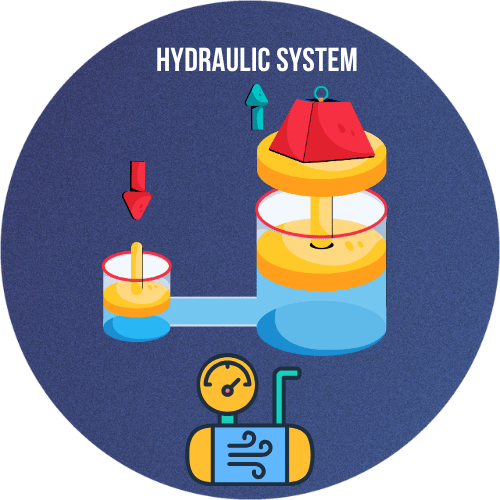 HYDRAULIC SYSTEM
  HYDRAULIC SYMBOLS
  HYDRAULIC STANDARDS
  HYDRAULIC CALCULATORS
  HYDRAULIC TOOLS
  BUYER’S GUIDES