 HYDRAULIC BASICS
  HYDRAULIC COMPONENTS
 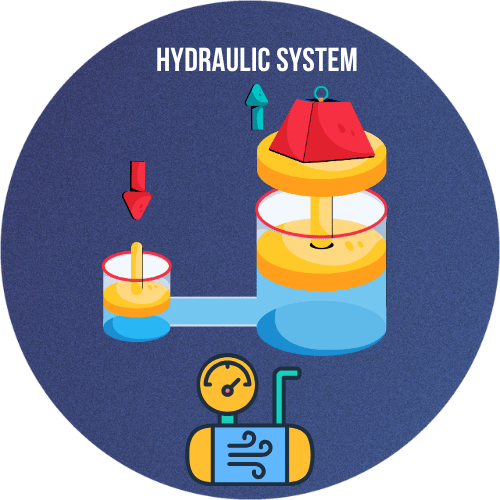 HYDRAULIC SYSTEM
  HYDRAULIC SYMBOLS
  HYDRAULIC STANDARDS
  HYDRAULIC CALCULATORS
  HYDRAULIC TOOLS
  BUYER’S GUIDES

Introduction
Hydraulic systems play a vital role in powering modern industry, construction, agriculture, and transportation. From lifting heavy loads to ensuring precise motion control, hydraulic cylinders are the backbone of countless machines and equipment. Among the many types of cylinders available, the double acting hydraulic cylinder stands out as one of the most versatile and widely used designs.
Unlike single acting cylinders, which provide force in only one direction, a double acting hydraulic cylinder is designed to exert power during both extension and retraction. This ability makes it essential in applications that require continuous, controlled motion in two directions, such as excavators, presses, injection molding machines, and offshore equipment.
The importance of the double acting hydraulic cylinder lies not only in its functionality but also in its adaptability. Engineers and operators rely on these cylinders to perform under high pressures, heavy loads, and challenging environments. Whether in industrial automation or large-scale construction projects, their reliability directly influences efficiency, safety, and productivity.
This article explores everything you need to know about the double acting hydraulic cylinder, from its working principle and construction to its advantages, challenges, applications, and future trends. By the end, you’ll gain a comprehensive understanding of why this hydraulic component is considered indispensable in modern mechanical systems.


