 HYDRAULIC BASICS
  HYDRAULIC COMPONENTS
 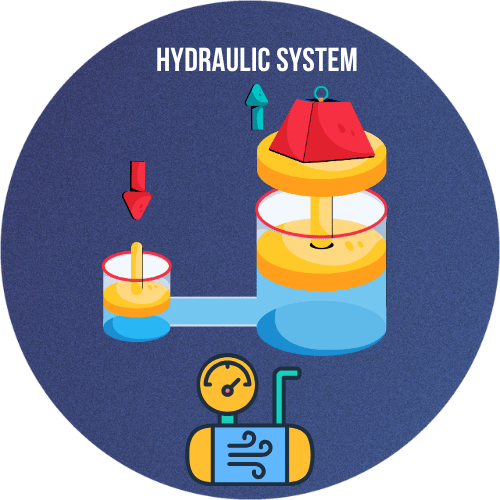 HYDRAULIC SYSTEM
  HYDRAULIC SYMBOLS
  HYDRAULIC STANDARDS
  HYDRAULIC CALCULATORS
  HYDRAULIC TOOLS
  BUYER’S GUIDES
List of ISO Standards
Contents
- 1 List of ISO Standards
- 1.1 Quality Management Standards
- 1.2 Environmental Management Standards
- 1.3 Occupational Health and Safety Standards
- 1.4 Information Security and IT Standards
- 1.5 Risk Management and Compliance Standards
- 1.6 Mechanical Engineering Standards
- 1.7 Hydraulic and Pneumatic Standards
- 1.8 Welding Standards
- 1.9 Food, Medical, and Laboratory Standards
- 1.10 Energy, Construction, and Asset Management Standards
- 1.11 Automotive Standards
- 1.12 Aerospace Standards
- 1.13 Semiconductor and Cleanroom Standards
- 1.14 Most Widely Used ISO Standards
- 2 1. Quality Management ISO Standards
- 3 2. Environmental Management ISO Standards
- 4 3. Occupational Health and Safety ISO Standards
- 5 4. Information Security and IT ISO Standards
- 6 5. Risk Management and Compliance ISO Standards
- 7 6. Manufacturing and Mechanical Engineering ISO Standards
- 8 7. Hydraulic and Pneumatic ISO Standards
- 9 8. Welding and Materials ISO Standards
- 10 9. Food, Medical, and Laboratory ISO Standards
- 11 10. Construction and Energy ISO Standards
- 12 11. Automotive ISO Standards
- 13 12. Aerospace ISO Standards
- 14 13. Semiconductor and Cleanroom ISO Standards
- 15 14. Most Popular ISO Standards Worldwide
- 16 Conclusion

ISO standards are among the most widely recognized international standards used by organizations across virtually every industry. Developed by the International Organization for Standardization, these standards establish common requirements, specifications, guidelines, and best practices that help ensure quality, safety, efficiency, and consistency. From manufacturing plants and engineering firms to hospitals, laboratories, food producers, and technology companies, ISO standards provide a universal framework for improving operations and meeting customer expectations.
Today, the ISO system includes more than 24,000 published standards covering a vast range of technical and management disciplines. Some standards focus on organizational management systems, such as ISO 9001 for quality management and ISO 14001 for environmental management, while others provide detailed technical requirements for products, materials, testing methods, hydraulic systems, cleanrooms, welding, cybersecurity, and medical devices. Understanding the most important ISO standards can help organizations improve compliance, reduce risks, enhance productivity, and gain a competitive advantage in global markets.
List of ISO Standards
The International Organization for Standardization (ISO) has published more than 24,000 standards that help organizations improve quality, safety, efficiency, and interoperability. These standards are used worldwide across industries such as manufacturing, engineering, healthcare, information technology, food processing, construction, energy, automotive, aerospace, and semiconductor manufacturing.
This guide provides a categorized list of the most important ISO standards used globally. Whether you are seeking certification, implementing a management system, or researching technical requirements, this ISO standards list serves as a useful reference.
Quality Management Standards

| ISO Standard | Description |
|---|---|
| ISO 9000 | Quality management fundamentals and vocabulary |
| ISO 9001 | Quality Management Systems (QMS) |
| ISO 9004 | Guidance for sustained organizational success |
| ISO 10002 | Customer satisfaction and complaint handling |
| ISO 19011 | Guidelines for auditing management systems |
Environmental Management Standards
| ISO Standard | Description |
|---|---|
| ISO 14001 | Environmental Management Systems (EMS) |
| ISO 14004 | Environmental management guidelines |
| ISO 14031 | Environmental performance evaluation |
| ISO 14040 | Life cycle assessment principles |
| ISO 14064 | Greenhouse gas accounting and verification |
| ISO 14067 | Carbon footprint of products |
Occupational Health and Safety Standards
| ISO Standard | Description |
|---|---|
| ISO 45001 | Occupational Health and Safety Management Systems |
| ISO 45003 | Psychological health and safety at work |
| ISO 39001 | Road traffic safety management systems |
Information Security and IT Standards
| ISO Standard | Description |
|---|---|
| ISO 27001 | Information Security Management Systems |
| ISO 27002 | Information security controls |
| ISO 27017 | Cloud security controls |
| ISO 27018 | Protection of personal data in cloud services |
| ISO 27701 | Privacy Information Management Systems |
| ISO 20000 | IT Service Management |
| ISO 22301 | Business Continuity Management Systems |
Risk Management and Compliance Standards
| ISO Standard | Description |
|---|---|
| ISO 31000 | Risk management guidelines |
| ISO 37301 | Compliance management systems |
| ISO 37001 | Anti-bribery management systems |
Mechanical Engineering Standards
| ISO Standard | Description |
|---|---|
| ISO 286 | Limits and fits |
| ISO 2768 | General tolerances |
| ISO 1101 | Geometric Dimensioning and Tolerancing (GD&T) |
| ISO 5459 | Datums and datum systems |
| ISO 898 | Mechanical properties of fasteners |
| ISO 3506 | Stainless steel fasteners |
| ISO 8062 | Geometrical tolerances for castings |
Hydraulic and Pneumatic Standards
| ISO Standard | Description |
|---|---|
| ISO 1219 | Hydraulic and pneumatic symbols |
| ISO 4413 | Hydraulic fluid power safety |
| ISO 4414 | Pneumatic fluid power safety |
| ISO 11158 | Hydraulic fluid classification |
| ISO 4406 | Hydraulic fluid cleanliness |
| ISO 4401 | Hydraulic valve mounting surfaces |
| ISO 6020 | Hydraulic cylinder dimensions |
| ISO 5598 | Fluid power vocabulary |
Welding Standards

| ISO Standard | Description |
|---|---|
| ISO 9606 | Qualification testing of welders |
| ISO 15614 | Welding procedure qualification |
| ISO 3834 | Welding quality requirements |
| ISO 5817 | Weld quality levels |
| ISO 14731 | Welding coordination |
Food, Medical, and Laboratory Standards
| ISO Standard | Description |
|---|---|
| ISO 22000 | Food Safety Management Systems |
| ISO 13485 | Medical device quality management |
| ISO 15189 | Medical laboratory competence |
| ISO 17025 | Testing and calibration laboratories |
| ISO 10993 | Biological evaluation of medical devices |
Energy, Construction, and Asset Management Standards
| ISO Standard | Description |
|---|---|
| ISO 50001 | Energy Management Systems |
| ISO 55001 | Asset Management Systems |
| ISO 41001 | Facility Management Systems |
| ISO 19650 | Building Information Modeling (BIM) |
| ISO 16739 | Industry Foundation Classes (IFC) |
Automotive Standards
| ISO Standard | Description |
|---|---|
| ISO 26262 | Functional safety for road vehicles |
| ISO 21434 | Automotive cybersecurity |
| ISO 6469 | Electric vehicle safety |
Aerospace Standards
| ISO Standard | Description |
|---|---|
| ISO 2685 | Fire resistance in aerospace applications |
| ISO 21384 | Unmanned aircraft systems (UAS) |
Semiconductor and Cleanroom Standards
| ISO Standard | Description |
|---|---|
| ISO 14644 Series | Cleanrooms and controlled environments |
| ISO 8573 | Compressed air quality |
| ISO 21501 | Particle counter performance |
Most Widely Used ISO Standards

The most commonly adopted ISO standards worldwide include:
- ISO 9001 – Quality Management Systems
- ISO 14001 – Environmental Management Systems
- ISO 45001 – Occupational Health and Safety
- ISO 27001 – Information Security Management
- ISO 50001 – Energy Management
- ISO 22000 – Food Safety Management
- ISO 13485 – Medical Devices Quality Management
- ISO 17025 – Laboratory Competence
- ISO 22301 – Business Continuity
- ISO 31000 – Risk Management
1. Quality Management ISO Standards
Quality management standards are among the most widely implemented ISO standards worldwide. These standards help organizations establish structured processes to consistently deliver products and services that meet customer requirements. They focus on continual improvement, customer satisfaction, leadership involvement, risk management, and process efficiency. By adopting quality management standards, organizations can improve operational performance while reducing errors, waste, and customer complaints.
The foundation of this category is ISO 9000, which defines quality management principles and terminology, while ISO 9001 provides the specific requirements for a certifiable quality management system. Additional standards such as ISO 9004 support long-term organizational success, ISO 10002 focuses on customer complaint handling, and ISO 19011 provides guidelines for conducting internal and external audits. Together, these standards form a comprehensive framework for achieving and maintaining high levels of quality performance across industries.
2. Environmental Management ISO Standards
Environmental management standards help organizations minimize their environmental impact while improving resource efficiency and regulatory compliance. As sustainability becomes increasingly important for businesses, governments, and consumers, these standards provide practical tools for managing environmental responsibilities and reducing ecological risks. Organizations implementing environmental management standards often achieve improvements in waste reduction, energy consumption, emissions control, and environmental performance monitoring.
The most recognized standard in this category is ISO 14001, which establishes the requirements for an environmental management system (EMS). Supporting standards such as ISO 14004 provide implementation guidance, ISO 14031 focuses on environmental performance evaluation, ISO 14040 addresses life cycle assessment methodologies, and ISO 14064 establishes requirements for greenhouse gas management and reporting. Together, these standards help organizations integrate sustainability into their business operations while demonstrating environmental responsibility to customers, regulators, and stakeholders.
3. Occupational Health and Safety ISO Standards
Occupational health and safety standards are designed to help organizations create safer workplaces, prevent accidents, and reduce occupational illnesses. These standards provide systematic approaches for identifying hazards, assessing risks, implementing preventive measures, and promoting employee participation in health and safety programs. By establishing proactive safety management practices, organizations can reduce incidents, improve employee well-being, and strengthen regulatory compliance.
The most important standard in this category is ISO 45001, which specifies requirements for occupational health and safety management systems. It enables organizations to integrate safety into daily operations and continuous improvement activities. Other related standards include ISO 45003, which addresses psychological health and safety in the workplace, and ISO 39001, which focuses on road traffic safety management systems. Together, these standards help organizations build a strong safety culture while minimizing operational disruptions caused by workplace incidents.
4. Information Security and IT ISO Standards
As digital transformation accelerates across industries, information security has become a critical business priority. Information technology and cybersecurity standards help organizations protect sensitive data, manage cyber risks, ensure business continuity, and maintain customer trust. These standards provide frameworks for implementing security controls, managing information assets, and responding effectively to emerging threats.
ISO 27001 is the most widely recognized information security management standard, providing requirements for establishing and maintaining an Information Security Management System (ISMS). Supporting standards such as ISO 27002 offer guidance on security controls, ISO 27017 focuses on cloud security, ISO 27018 addresses privacy protection in cloud environments, and ISO 27701 extends ISO 27001 for privacy information management. Additional standards such as ISO 20000 for IT service management and ISO 22301 for business continuity help organizations improve resilience and maintain critical operations during disruptions.
5. Risk Management and Compliance ISO Standards
Every organization faces risks related to operations, finance, legal obligations, cybersecurity, supply chains, and regulatory compliance. Risk management standards provide structured methodologies for identifying uncertainties, evaluating potential impacts, and implementing appropriate controls. By adopting these standards, organizations can improve decision-making, enhance resilience, and better prepare for unexpected challenges that could affect business performance.
One of the most influential standards in this area is ISO 31000, which provides principles and guidelines for enterprise risk management. ISO 37301 focuses on compliance management systems and helps organizations meet legal and regulatory obligations effectively. ISO 37001 establishes requirements for anti-bribery management systems, supporting ethical business practices and corruption prevention. Together, these standards help organizations strengthen governance, improve accountability, and reduce the likelihood of costly compliance failures.
6. Manufacturing and Mechanical Engineering ISO Standards
Manufacturing and mechanical engineering rely heavily on technical standards to ensure product quality, dimensional accuracy, interchangeability, and performance consistency. These standards define requirements for tolerances, geometric dimensions, material properties, testing procedures, and production practices. Compliance with engineering standards helps manufacturers reduce defects, improve efficiency, and maintain compatibility across international markets.
Several ISO standards are considered fundamental in engineering design and manufacturing. ISO 286 establishes the system of limits and fits used for shafts and holes, while ISO 2768 provides general tolerances for machined components. ISO 1101 defines geometric dimensioning and tolerancing (GD&T) principles, and ISO 5459 specifies datum systems for dimensional inspection. Additional standards such as ISO 898 for fastener mechanical properties, ISO 3506 for stainless steel fasteners, and ISO 8062 for castings play critical roles in ensuring product reliability and manufacturing quality across industries.
7. Hydraulic and Pneumatic ISO Standards
Hydraulic and pneumatic systems are essential components in industrial machinery, mobile equipment, manufacturing automation, and process industries. ISO standards in fluid power engineering help ensure safety, reliability, interoperability, and performance consistency across hydraulic and pneumatic applications. These standards provide guidance on system design, symbols, component dimensions, cleanliness requirements, and safety practices.
Among the most widely referenced standards are ISO 1219 for hydraulic and pneumatic graphical symbols, ISO 4413 for hydraulic fluid power safety requirements, and ISO 4414 for pneumatic system safety guidelines. ISO 11158 classifies hydraulic fluids according to performance characteristics, while ISO 4406 establishes methods for reporting hydraulic fluid contamination levels. Other important standards include ISO 4401 for hydraulic valve mounting surfaces, ISO 6020 for hydraulic cylinder dimensions, and ISO 5598 for fluid power terminology. Together, these standards form the foundation of modern hydraulic and pneumatic engineering practices.

Contents1 1. What Is the ISO 3601 O-Ring Standard?1.1 Purpose of ISO 36011.2 Applications of ISO 3601 O-Rings2 2. ISO 3601 Standard Parts Explained2.1 ISO 3601-1: Inside Diameters, Cross-Sections, Tolerances and Designation Codes2.2 ISO 3601-2: Housing Dimensions for General Applications2.3 ISO 3601-3: Quality Acceptance Criteria2.4 ISO 3601-5: Elastomeric Materials for Industrial Applications3 3. ISO 3601 […]

Contents1 1. What Is the DIN 2353 Standard?1.1 DIN 2353 Fitting Series1.2 DIN 2353 and ISO 8434-12 2. DIN 2353 Tube Size Terminology2.1 Tube Outside Diameter (OD)2.2 Tube Wall Thickness2.3 Tube Inside Diameter (ID)2.4 Metric Tube Size vs. Nominal Pipe Size3 3. DIN 2353 Tube Series: LL, L, and S3.1 LL – Extra Light Series3.2 […]

Contents0.1 1. What Is the ISO 6162 Standard?0.1.1 Purpose of ISO 61620.1.2 Components Covered by ISO 61620.1.2.1 Flange Head0.1.2.2 Hydraulic Port0.1.2.3 Split Flange Clamps0.1.2.4 One-Piece Flange Clamps0.1.2.5 O-Ring Seal0.1.2.6 Mounting Bolts0.1.3 Advantages of ISO 6162 Flange Connections1 2. ISO 6162-1 and ISO 6162-2 Explained1.0.1 ISO 6162-11.0.2 ISO 6162-21.0.3 Key Differences Between ISO 6162-1 and ISO […]

Contents1 1. What Is the ISO 4406 Standard?1.1 Purpose of ISO 44061.2 Current ISO 4406 edition1.3 Where ISO 4406 is used1.4 What ISO 4406 does not indicate2 2. How the ISO 4406 Cleanliness Code Works2.1 Understanding cumulative particle counts2.2 Converting particle counts into range numbers2.3 Why the code numbers do not represent particle sizes2.4 Particle […]

Contents1 1. What Is ISO 18752?1.1 Purpose of ISO 187521.2 Constant-pressure concept1.3 Products covered by the standard1.4 Suitable hydraulic fluids1.5 Requirements covered by ISO 187521.6 Limitations of the standard2 2. ISO 18752 Hose Classification System2.1 ISO 18752 pressure classes2.2 Nominal hose sizes2.3 ISO 18752 performance grades2.4 Standard and compact hose types2.5 Meaning of each hose […]

Contents1 1. What Is SAE J518 Standard?2 2. Understanding SAE J518 Flange Connections2.1 2.1 Main Components of an SAE J518 Connection2.2 2.2 How the Connection Works2.3 2.3 Advantages of SAE J518 Flange Connections2.4 2.4 Limitations of SAE J5182.5 2.5 Typical Applications3 3. SAE J518 Types and Series3.1 3.1 Code 61 (Standard Pressure)3.2 3.2 Code 62 […]

Contents1 1. What Is SAE J343 Standard?2 2. Scope and Requirements of SAE J3432.1 Products Covered2.2 Hydraulic Systems Covered2.3 Performance Requirements2.4 Test Conditions2.5 Relationship with Other SAE Standards2.6 Why the Scope Matters3 3. Key Test Methods in SAE J3433.1 3.1 Proof Pressure Test3.2 3.2 Burst Pressure Test3.3 3.3 Leakage Test3.4 3.4 Impulse Pressure Test3.5 3.5 […]

Contents1 1. What Is SAE J1926 Standard?2 2. Why Was SAE J1926 Developed?2.1 Eliminate Thread-Based Sealing2.2 Improve Leak Prevention2.3 Support High-Pressure Hydraulic Systems2.4 Standardize Manufacturing2.5 Improve Assembly and Serviceability2.6 Meet Growing Industry Demands3 3. Understanding Straight Thread O-Ring Boss (ORB) Ports3.1 What Is an ORB Port?3.2 How ORB Sealing Works3.3 Separation of Mechanical and Sealing […]

Contents1 1. Understanding ISO 9001 Standard2 List of Required ISO 9001 Documents2.1 Mandatory Documents to Maintain2.1.1 1. Scope of the Quality Management System2.1.2 2. Quality Policy2.1.3 3. Quality Objectives2.1.4 4. Operational Control Documents2.1.5 5. Documented Information Required by the Organization2.2 Mandatory Records to Retain2.2.1 6. Competence Records2.2.2 7. Monitoring and Measurement Resources Records2.2.3 8. Product […]

Contents1 1. What Is ISO 6020?2 2. History and Evolution of ISO 60203 3. Scope and Application of ISO 6020 Standard Cylinders4 4. ISO 6020 Cylinder Types and Configurations5 5. ISO 6020 Dimensional Standards6 6. Mounting Styles Defined in ISO 60207 7. Performance Requirements and Design Features8 8. ISO 6020 vs ISO 6022 Hydraulic Cylinders9 […]